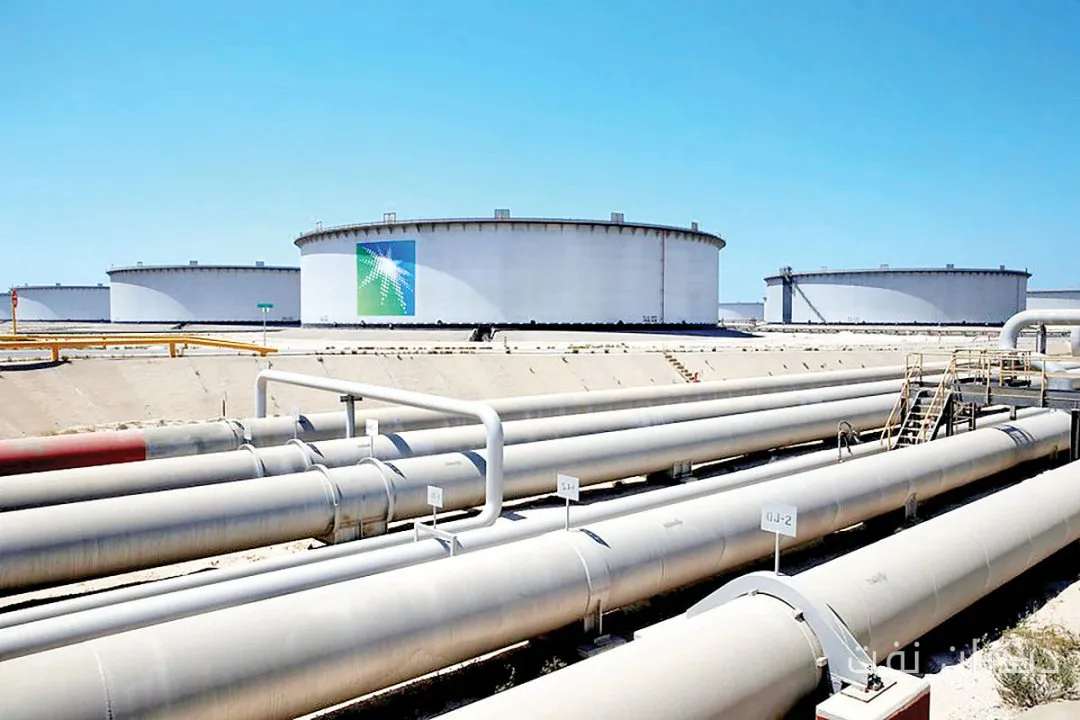
In a remarkable development, Saudi Arabia's crude oil production has reached its lowest level in 36 years. This news comes against the backdrop of military tensions and political unrest in the Middle East, raising concerns about the future of the oil market.
Unprecedented Production Decline
According to official data provided by Riyadh to the Organization of the Petroleum Exporting Countries (OPEC), Saudi oil production has sharply declined, clearly indicating the challenges facing the country in managing its oil resources. Statistics show that this production cut has occurred due to factors such as regional unrest and political crises.
As Saudi Arabia is recognized as the largest oil exporter in the world, this production decline will not only impact the economy of the country but also the global oil market. Given the increasing tensions in the region and political pressures, many analysts believe that this situation could lead to rising oil prices in the global market.
Economic Consequences
The reduction in Saudi oil production could also have serious implications for the country's economy. Oil revenues, which are considered the lifeblood of the Saudi economy, may be affected by this decline, consequently interrupting the country's developmental and economic plans.
Ultimately, this situation is significant not only for Saudi Arabia but for the entire oil market. Given the challenges ahead and market fluctuations, it remains to be seen how Saudi Arabia will manage to navigate this crisis and return to stability in its oil production.