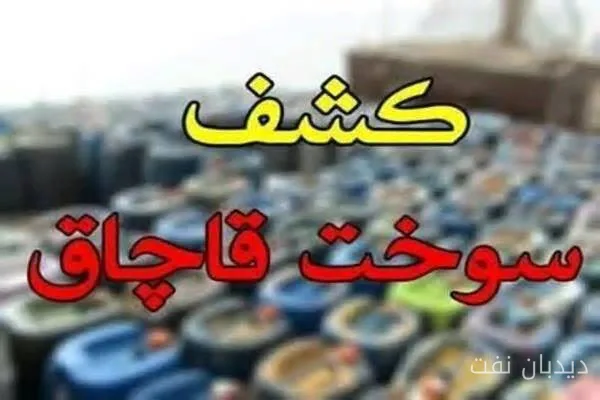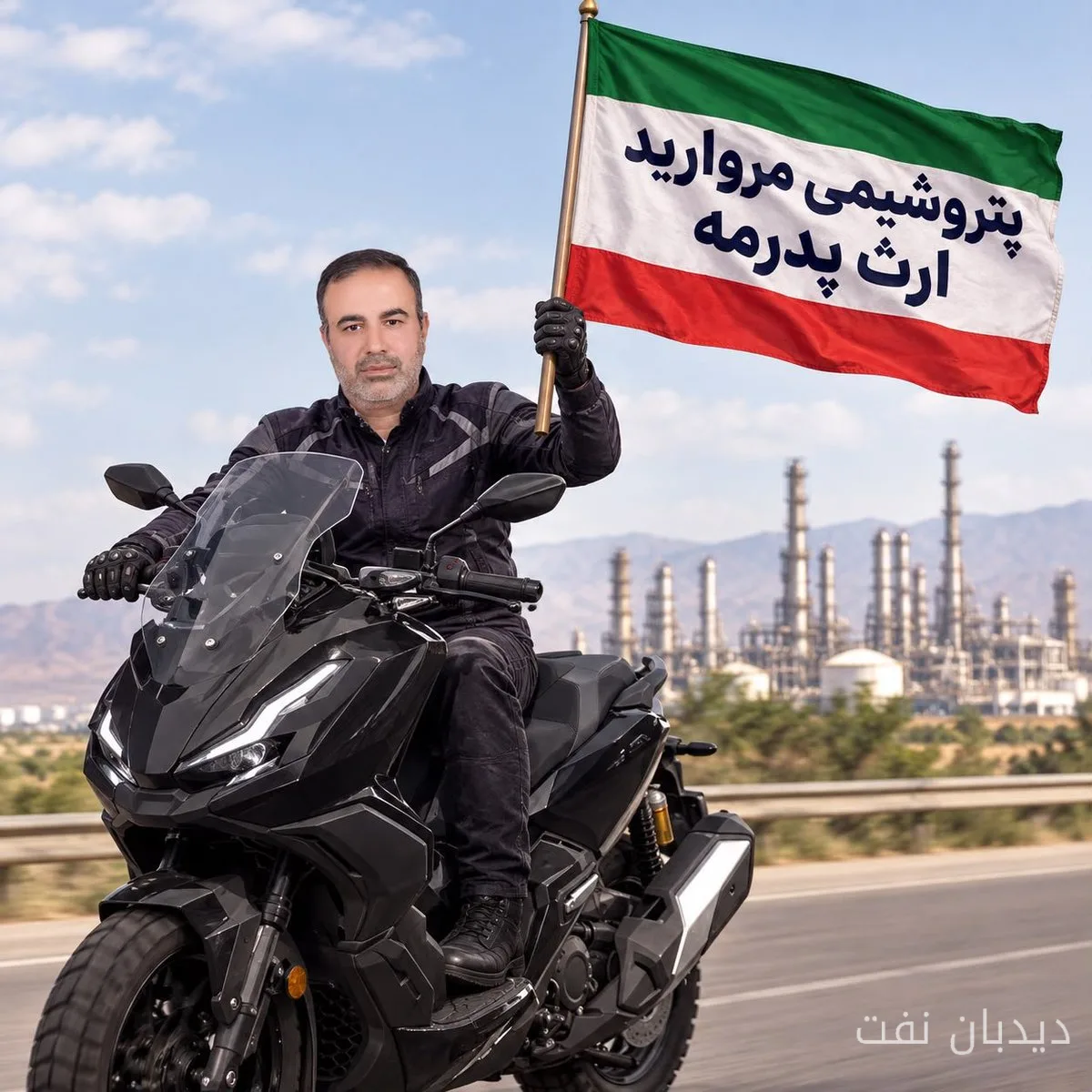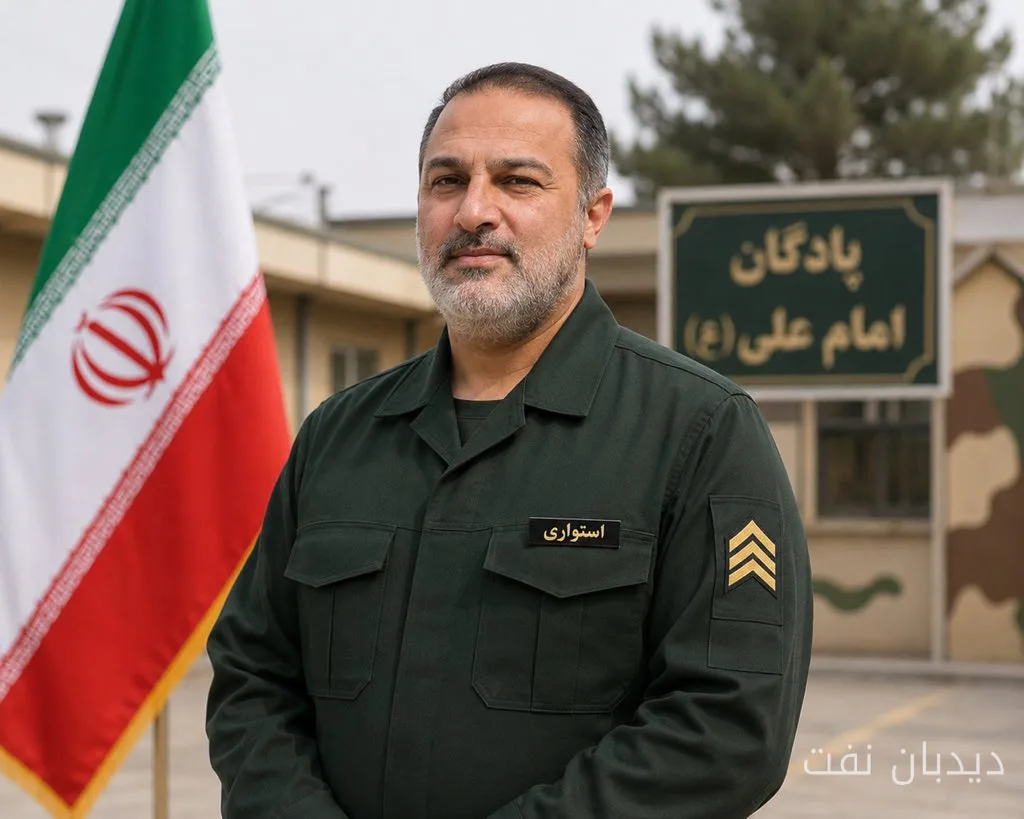
Following recent investigations, new information regarding sanctions on tankers and oil shipments has emerged, revealing new dimensions of financial and ethical corruption in the energy industry. This issue could have serious repercussions for the oil market and international sanctions.
Background of Financial Corruption in the Oil Industry
The oil industry in the country has always been susceptible to financial and ethical corruption due to the high volume of transactions and investments. Despite legal and regulatory efforts, many institutions and companies related to oil remain entangled in ethical and financial issues. This corruption not only undermines the credibility of this industry but could also provoke new sanctions from the international community.
Details of Sanctioned Shipments and Tankers
In this regard, the recently identified oil shipments indicate routes that are frequently monitored. Some of these tankers have been blacklisted due to suspicious relationships with sanctioned countries. These tankers are heading towards destinations whose existence is highly questionable.
Investigations show that some of these shipments manage to pass through maritime routes and unload at various ports despite the sanctions. This not only aids in violating the sanctions but also exacerbates corruption in the oil supply chain.
New Dimensions of Corruption and Its Consequences
This financial and ethical corruption is clearly linked to the illegal interactions of certain individuals and institutions. Suspicious connections between some individuals and international entities and oil companies seem to be designed to circumvent sanctions. This situation could lead to public discontent within the country and increased pressure from the international community.
Moving forward, it is expected that regulatory and judicial authorities will address these issues more vigorously and prevent further corruption. These actions could help improve economic conditions and reduce the burden of sanctions.
Ultimately, transparency in oil transactions and closer monitoring of tankers and oil shipments could help reduce corruption and improve the country's economic situation. This issue requires international cooperation and serious efforts from regulatory bodies.