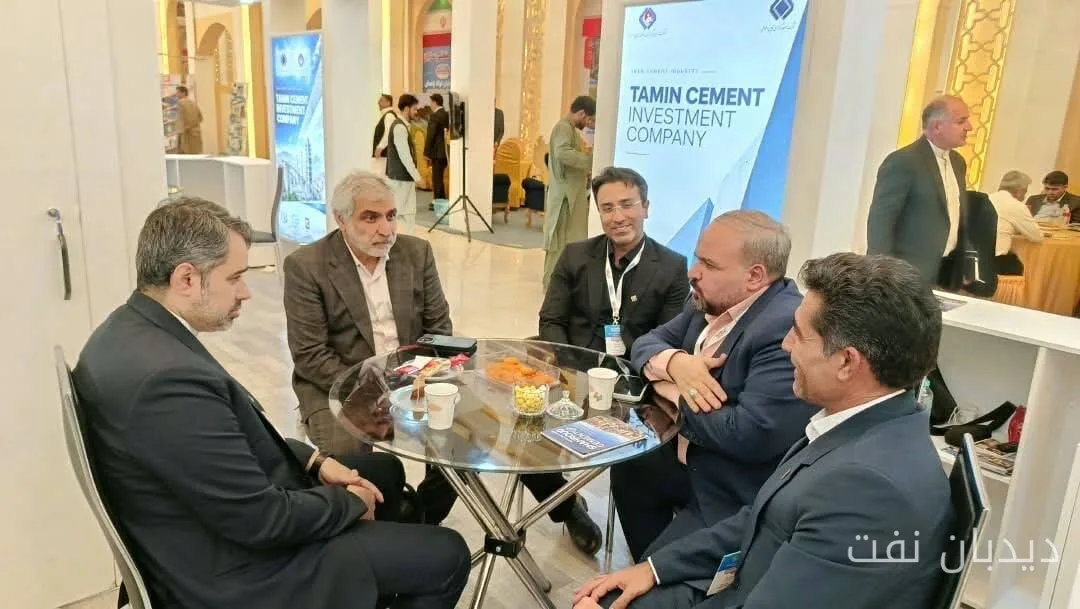
Qavami, the representative of Esfarayen in the Islamic Consultative Assembly, emphasized the importance of energy imbalance management and the development of the export market for Bojnourd Cement and Shahroud Cement companies during the fifth international trade exhibition "Imam Abu Hanifa" in Kabul. This meeting provided an opportunity for the Esfarayen representative to visit the capacities and activities of these two companies in the field of production and export.
Reviewing Energy Supply Challenges
In this meeting, Qavami addressed the issues and challenges related to energy supply and management, emphasizing its direct impact on the production process of industrial units in his electoral district. He stated that energy imbalance management is a fundamental priority for industrial units and requires serious pursuit of solutions to overcome existing obstacles. According to him, energy imbalance can directly affect the quality and quantity of industrial production, thus proper management of it is of high importance.
Read more: Knowledge-based management in addressing energy imbalances in Ardabil province
Strengthening Export Routes to Afghanistan
Qavami also emphasized the necessity of strengthening export routes and utilizing the market potential of Afghanistan. He pointed out that the Afghan market is considered a strategic opportunity for exporting cement products, stating that the development of the presence of Bojnourd Cement and Shahroud Cement companies in this market requires continuous production, overcoming infrastructural obstacles, and enhancing coordination among related entities. The Esfarayen representative, referring to the existing potentials, called for closer cooperation between governmental and private institutions to facilitate this process.
Qavami emphasized that there is a need to improve infrastructure and create suitable conditions for exporting products, adding: "We must identify and eliminate the obstacles in the export path through coordination and cooperation among various institutions." He also referred to the necessity of establishing effective communications and facilitation in the export process, emphasizing that these matters can help improve the economic situation of the region.
Read more: Port of Los Angeles sets a new record in container volume · Establishment of an export terminal in Sabzevar with 201 active mines



