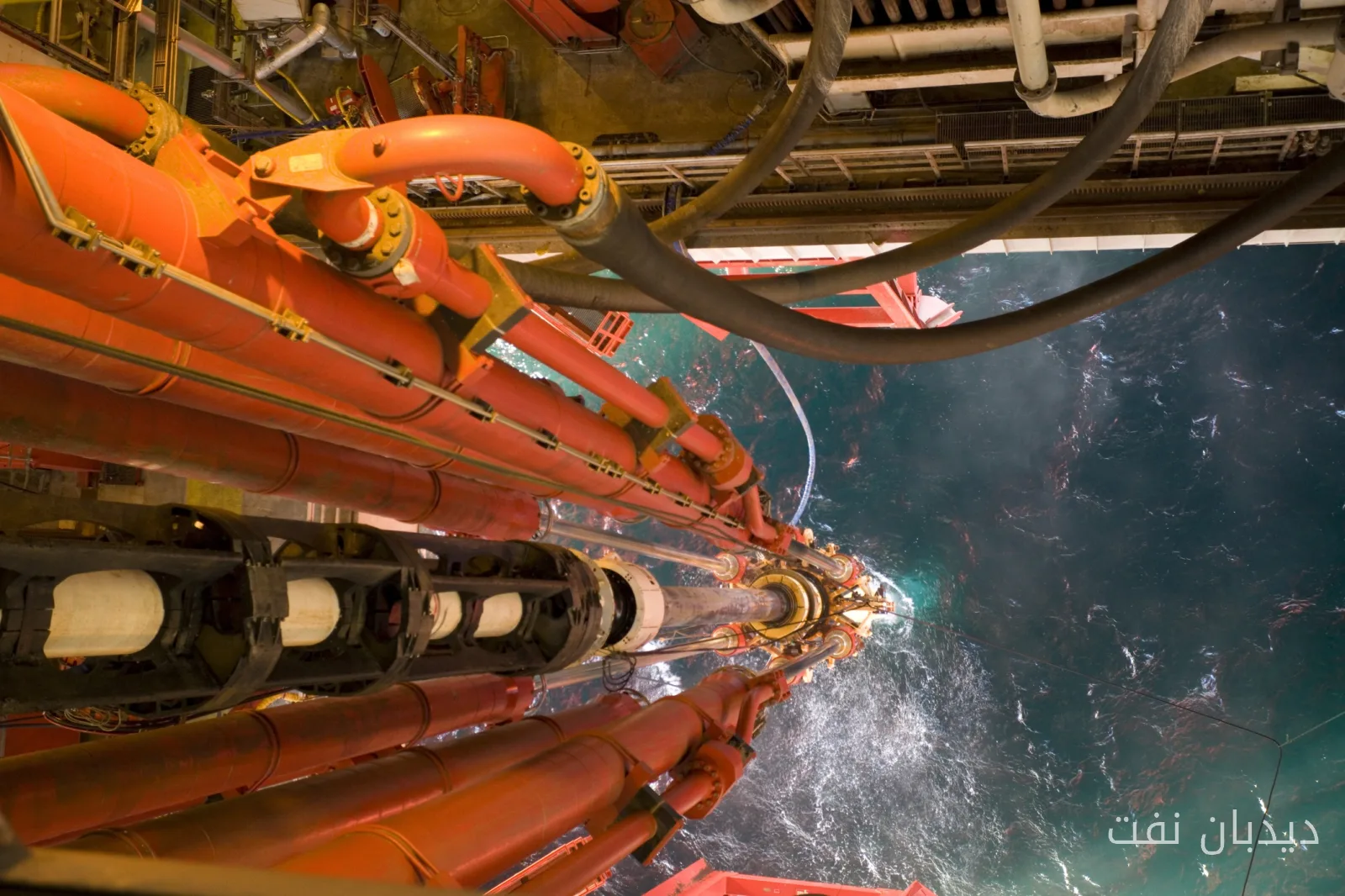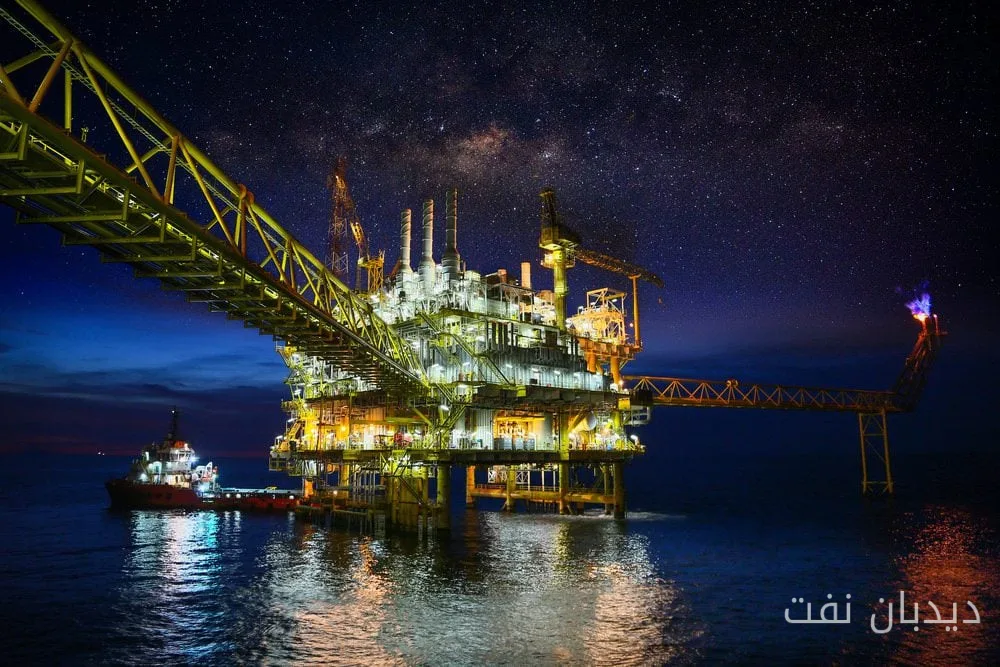
The President emphasized in his recent statements that oil prices will not decrease until after the midterm elections. These remarks come as oil prices have surged significantly due to tensions and the war with Iran, reaching over $100 per barrel.
Impacts on Energy Markets and People's Livelihoods
The war with Iran has caused widespread disruptions in global energy markets, and this insecurity has directly affected gasoline costs, transportation, food, and other daily expenses for households. The rise in oil prices not only puts pressure on household expenses but also fuels economic crises on a global scale.
Many analysts believe that the failure to reduce oil prices until after the midterm elections could benefit certain political groups, as this situation will be used as a tool to influence voters. Meanwhile, people are increasingly under economic pressure, which could have broader social and economic repercussions.
The Future of Oil Prices and Their Consequences
It seems that with ongoing tensions in the Middle East, oil prices will continue to maintain their upward trend. This trend affects not only oil-producing countries but also puts pressure on consuming countries. In this situation, governments will need to take more serious measures to support vulnerable segments of society.
Ultimately, the future of oil and its impact on the global economy has become a complex and serious issue that requires serious attention and consideration from officials and policymakers. Could this situation lead to a serious economic crisis? Only time will answer this question.