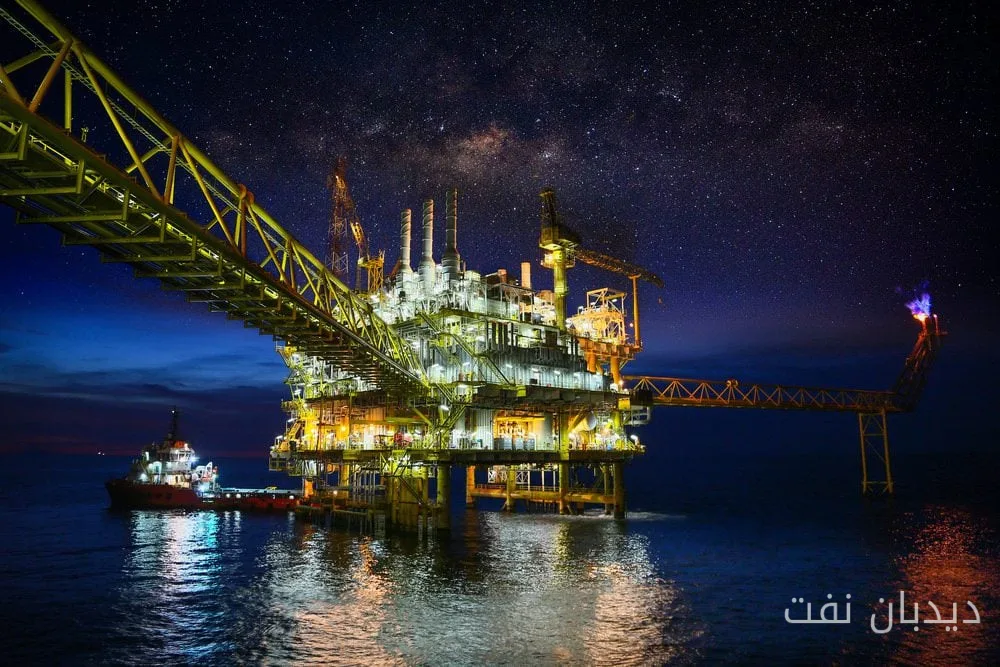
Oil, this black gold that is always influenced by political and economic factors, is going through tumultuous days. Recently, following new attacks on oil facilities and ships in the Middle East, crude oil prices have surpassed $100 per barrel for the first time in six weeks. This price increase not only reflects global concerns over regional instabilities but also exacerbates supply chain challenges.
Impact of Attacks on the Global Oil Market
Attacks on oil facilities clearly indicate the rising tensions in the Middle East, where increasingly alarming news of conflicts and insecurities emerges daily. These attacks disrupt oil production and delivery to the global market, resulting in a sharp increase in prices. There is a close relationship between global markets and the political conditions in this region, where any instability can have severe repercussions for the global economy.
Given that many countries are heavily dependent on Middle Eastern oil, this price increase could lead to higher energy costs and consequently to rising inflation in various countries. For this reason, economic analysts are awaiting further reactions from oil-producing countries as well as changes in the energy policies of consuming nations.
Future Outlook
Considering the current situation, it is expected that the oil market will continue to be influenced by these attacks and tensions in the coming days. This could intensify the global energy crisis and prompt consuming countries to seek new solutions for their energy needs. Is the world ready to grapple with this new crisis?