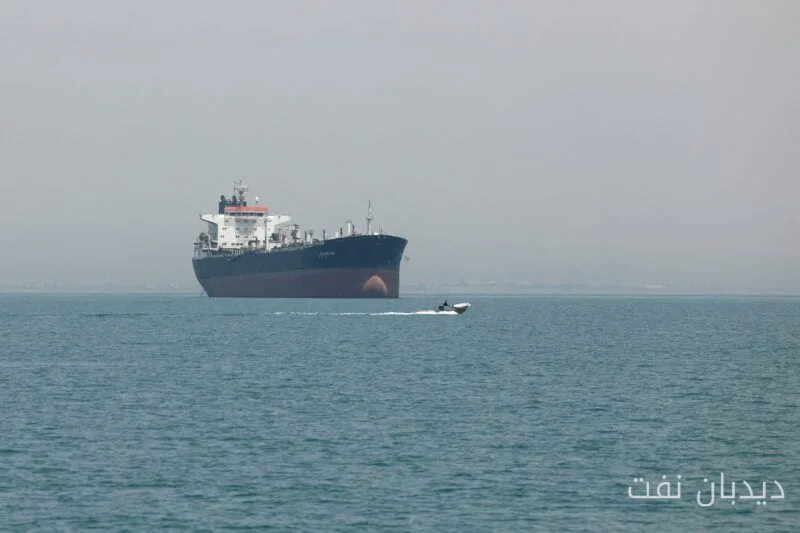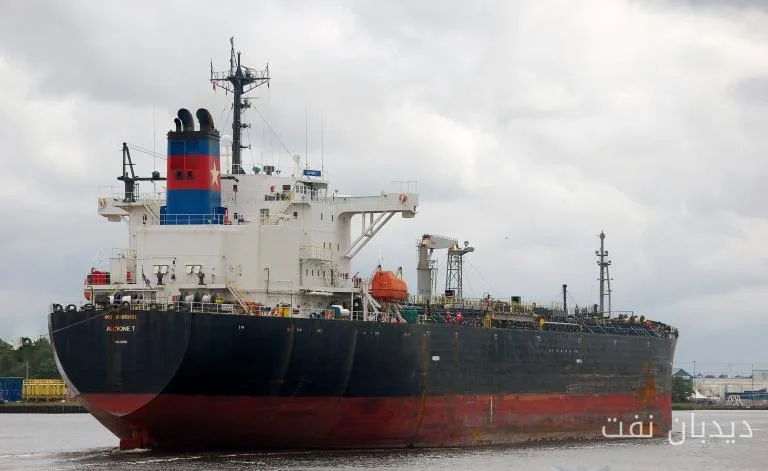
The price of oil reached its highest level in recent months on Thursday, with Brent crude hitting $١٠٥ per barrel for the first time since May. This price increase follows the escalation of tensions in the Middle East and its effects on global markets.
Oil Market Analysis
The rise in oil prices is interpreted as a sign of deeper concerns regarding political and economic stability in the Middle East. These tensions not only affect oil prices but also cast a shadow over interest rates and global financial markets. With ongoing conflicts, it is expected that oil prices may remain consistently at higher levels.
Currently, investors are closely monitoring political and military developments in the region. Given the heavy dependence of many countries around the world on Middle Eastern oil, any fluctuations in oil supply or demand can have profound impacts on the global economy.
Interest Rates and Their Impacts
In addition to rising oil prices, interest rates have also increased significantly. These changes may affect investments and economic decisions, leading to higher financing costs for companies and governments. As a result, this situation could lead to an economic recession that will ultimately impact people's daily lives.
It seems that with the ongoing tensions in the Middle East, global markets must prepare for further fluctuations. Will oil prices reach a new peak, or will markets soon return to stability? Only time will answer this question.