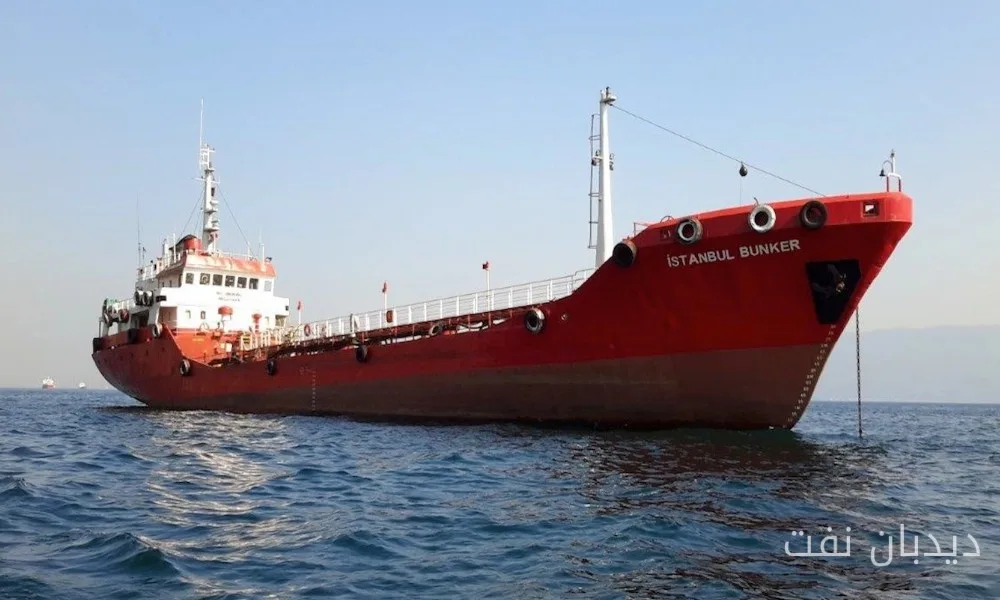
The price of oil sharply increased on Thursday, reaching $105 per barrel. This price rise occurred following an escalation of attacks on oil tankers in the Middle East, turning these attacks into the largest wave since the start of the Iran war.
Factors Influencing Oil Prices
The increase in oil prices is particularly due to global concerns about instability in the Middle East and its impact on oil supply. Analysts believe that these attacks could have a direct effect on global markets, leading to increased transportation and energy production costs.
In recent days, oil tankers in the Persian Gulf have faced multiple attacks, raising fears of disruptions in energy supply among oil-importing countries. Additionally, these conditions may lead to increased demand for oil from other non-Middle Eastern sources.
Future Predictions for the Oil Market
Given the current conditions, analysts believe that if these attacks continue, oil prices may rise to even higher levels. Furthermore, this situation could lead to greater volatility in financial markets and prompt investors to adopt precautionary measures.
Considering the importance of oil in the global economy and its direct impact on the prices of goods and services, these developments could have widespread consequences for both producing and consuming countries. Many countries are now examining new strategies to manage this crisis and reduce dependence on Middle Eastern oil.