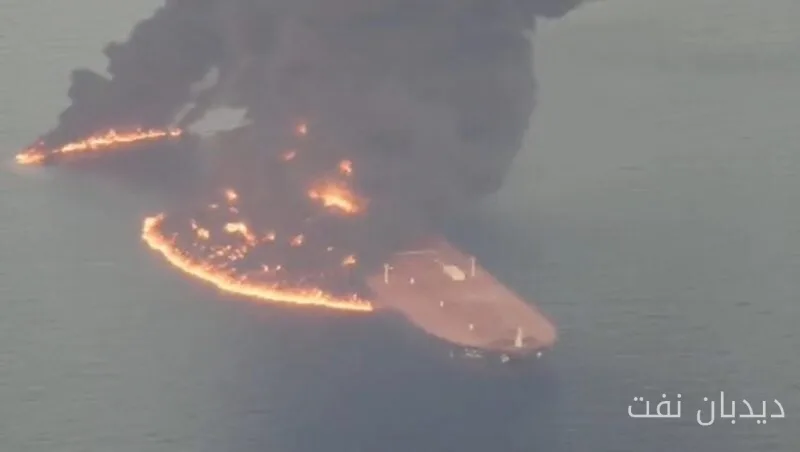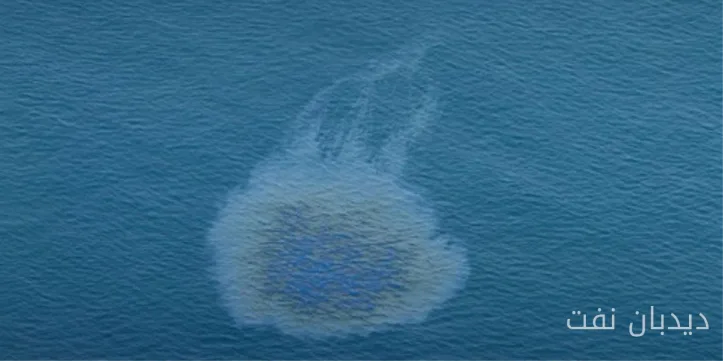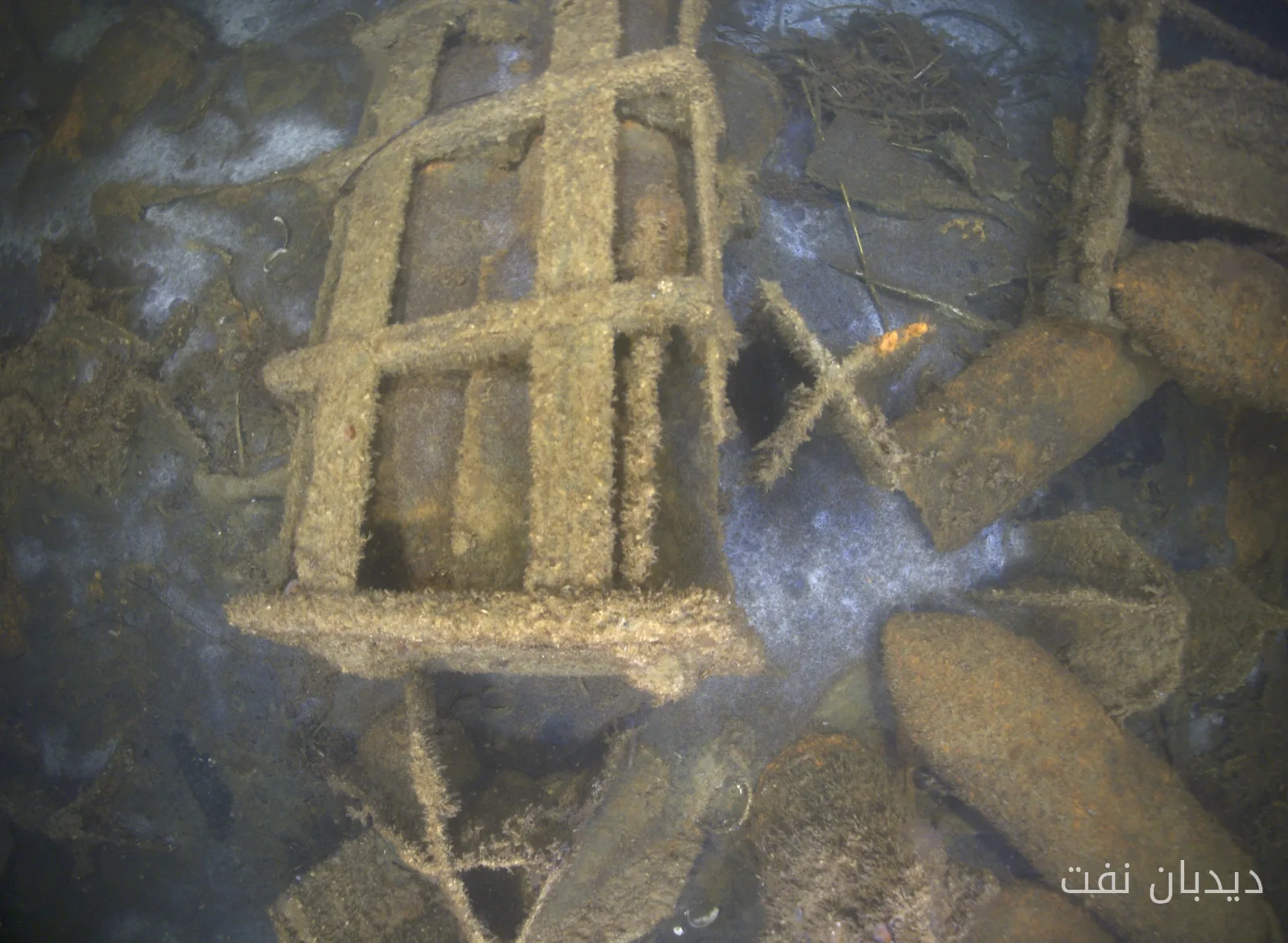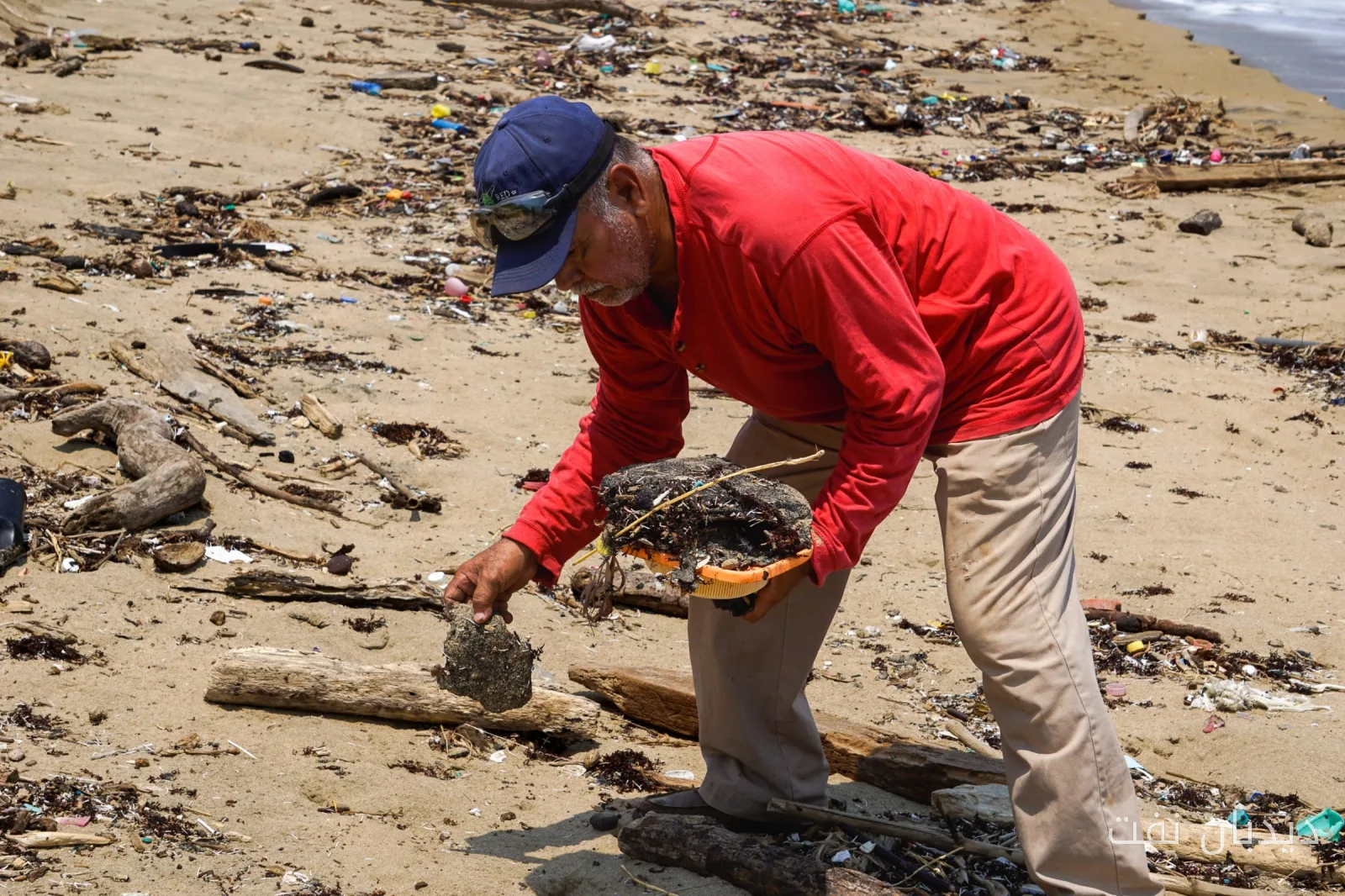
The leakage of oil pollutants along the southern shores of the Persian Gulf, especially in the areas of Bandar Abbas, Qeshm, and Hormuz, has become a serious environmental challenge. The tar-like masses that have reached these shores pose a threat to sensitive habitats and can have devastating effects on the marine ecosystem and the living organisms that inhabit these areas.
Negative impacts on marine habitats
Oil leakage in the Persian Gulf has profound negative impacts on mangrove forests, coral reefs, and desalination facilities. Mangrove forests, as one of the most important marine habitats, play a significant role in preserving biodiversity and protecting coastlines. Pollution in these areas can lead to a decline in marine populations and the destruction of their habitats.
Read more: Large investments in solar energy in Georgia
Responding to the environmental crisis
Experts and environmental activists have reacted to this crisis and called for immediate actions to manage and control the oil leakage. These actions include a thorough investigation of the source of the leak, cleaning up the shores, and establishing long-term programs to protect these habitats. Additionally, there is a need for international cooperation to address such crises to prevent similar problems in the future.
The conclusion of this situation indicates that oil pollution is not only an environmental crisis but can also have economic and social impacts. Therefore, it is essential for governmental and non-governmental organizations to take serious action to resolve this crisis.
Read more: Why vegan leather has become a problem in the fashion industry? · Öresundskraft signed a CO٢ transport and storage contract with Northern Lights