Brent crude oil prices have recently crossed the $100 mark, and this price increase has occurred following heightened tensions in the Middle East, particularly due to the recent conflicts between the U.S. and Iran. These conflicts have a direct impact on oil flows in the Strait of Hormuz and have raised concerns about disruptions in global energy supply.
Decline in global oil reserves
While oil prices have reached above $100, reports indicate that global oil reserves have faced a decline of 69 million barrels. This decrease in reserves is significantly felt due to disruptions caused by political and military tensions in the region, and experts are concerned about the continuation of this trend.
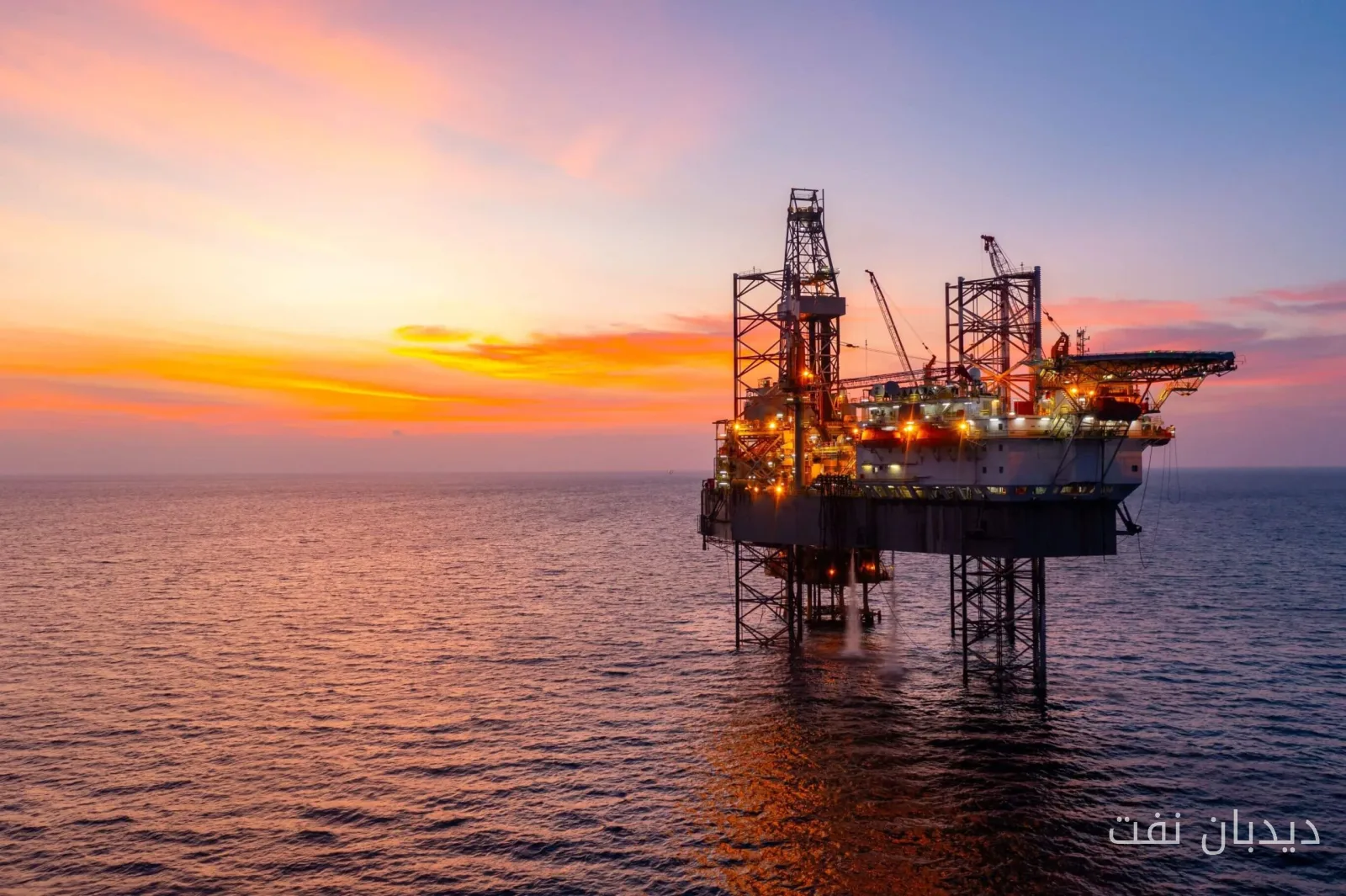
The Strait of Hormuz, which is considered one of the most vital oil transportation routes in the world, is currently under severe pressure. Attacks on oil tankers and security threats in this region have caused oil companies and global consumers to be extremely worried about oil supply. This situation has not only increased prices but has also fueled widespread concerns about the future of the energy market.
Impact on global markets
The rise in oil prices above $100 could have widespread effects on global financial and economic markets. Given that oil is one of the main energy sources in the world, fluctuations in its price can lead to increased costs and inflation in many countries. In these circumstances, governments and companies must be prepared to manage costs and analyze global markets.
Considering the current situation, it seems that oil prices may remain at high levels, and this issue could bring new challenges for the global economy. Meanwhile, close monitoring of political and military developments in the Middle East is essential for predicting future trends in the energy market.