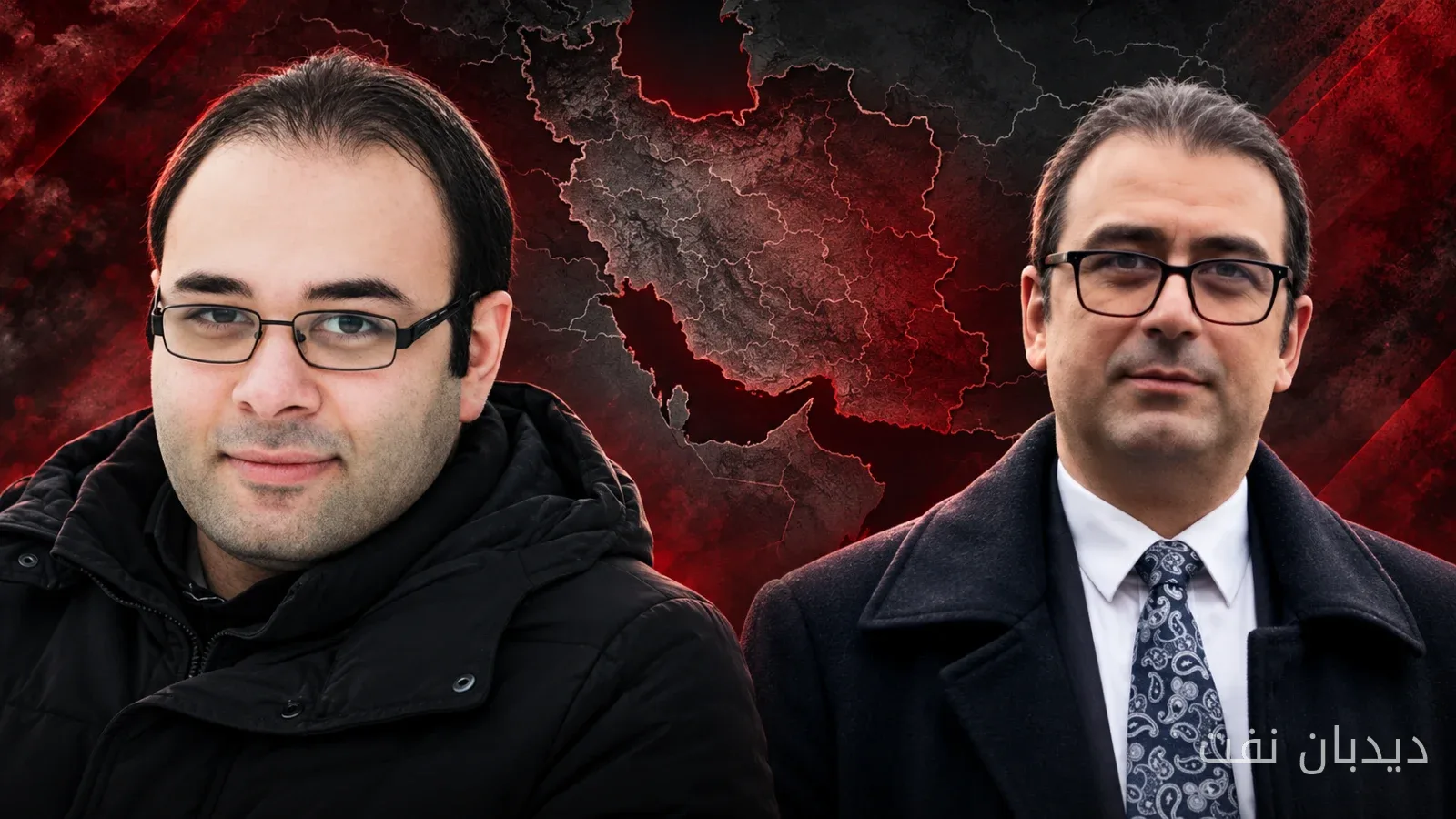
The oil market is under pressure from a clear pattern of media blackmail: sending photos and documents, then demanding money; the core of this case is tied to specific names — Saeed Eghanchi and Kambez Ghafouri — linked to the 'Shayan team' and direct questioning about connections with the intelligence apparatus of the Islamic Republic, including the Ministry of Intelligence; and answering these questions is done with documentation, not a word more and not a word less.
This matter is not a personal or media dispute; the pattern of action is clear and the questions are precise and number-oriented: where was the money demanded, for what services, and in exchange for what outcome — publication, non-publication, or deletion of content? The questions strike at the heart of the information market in the oil sector; where every message and every deletion can affect the direction of investment, risk assessment, and the public image of actors in the oil and trust sectors.
Read more: Seizure of a wooden cabin shipment containing drugs at the Iran-Turkey border
Chain of Blackmail: Photo, Message, Money
Based on the documents of this case, the method of operation is clear: first, photos and documents are sent to individuals; then the demand for money arises. This sequence has a single meaning: controlling the flow of content in exchange for payment. When publication, non-publication, or deletion becomes a 'transaction', the media shifts from a tool of transparency to a tool of extortion. This point is the red line and must be answered with clear names and details.
The names in this case are clear: Saeed Eghanchi and Kambez Ghafouri. Mentioning names at this level means demanding direct answers; answers to how the money was demanded, when it was in exchange for what service, and what the outcome of this exchange was: publication of content, stopping it, or erasing its traces from platforms.
Demanded Money in the Gears of Oil and Trusts
The central question of the case is tied to the flow of money: in interactions with actors in the oil and trust sectors, what exact 'service' was this money connected to? If a demand or receipt has occurred, what was the price for what? This case lays the path of money on the table with these questions, and tracking it is directly related to the credibility and functionality of the information market in the oil sector. The money that is exchanged for manipulating publication or deleting content is the same money that adds informational risk to the cost price of actors in this sector.
The oil market moves with data. When publication or deletion is traded for money, the 'market signal' is distorted; the formation of an informational risk premium is a natural result of such a mechanism. Actors want to know whether their competitor has deleted content by payment or purchased a media advantage? Has a payment been made to silence a news item? The answers to these questions directly affect expectations, risk assessment, and the trading behavior of both private and public sectors.
Transaction Paths: Publication, Non-Publication, Deletion
Three clear paths are on the table: publication, non-publication, and deletion. This trio precisely targets the heart of controlling the flow of information. Each of these paths is equivalent to a lever for pricing information: publication means a blow to credibility or opening risk for the counterpart; non-publication means stabilizing the status quo in exchange for payment; deletion means rewriting history and cleansing the public record. These are tools that, if tied to money, take the market hostage.
These three paths also cast a shadow over legal and ethical attachments. When deletion or non-publication is defined as a 'service', every payment acts as an unwritten contract that changes the equations of reputation, access, and even project pricing behind the scenes of the oil market. With the names recognized in this case, explaining the amounts, payment mechanisms, and the output of each 'transaction' is mandatory.
Connection with Security Institutions: The Ministry of Intelligence at the Center of Inquiry
The case has brought Saeed Eghanchi's connection with the institutions of the Islamic Republic, specifically the Ministry of Intelligence, directly into the field of inquiry, and this section must respond with documentation and transparency. The principle is clear: every relationship or collaboration must be published with documentation and to the extent that the documents allow; not a word more, not a word less. This ruler has meaning for the public and the market: precise awareness of individuals' relationships with security institutions determines the risk index of the counterpart and has a decisive effect on the behavior of actors in the oil sector.
When the Ministry of Intelligence comes into play, the weight of the issue goes beyond a personal dispute. The relationship of the mentioned individuals with intelligence agencies, if raised within the case, must be clarified with documented details. The market needs transparency, and any ambiguity means bearing the cost of additional risk.
Market Consequences: Informational Risk Premium on Oil Pricing
The oil market does not move only with barrels and dollars; it is also priced with news, signals, and expectations. When a pattern of media blackmail operates with clear names and paths, news is no longer raw data; it becomes a tradable commodity. This conversion produces an informational risk premium: actors must pay more to distinguish truth from the result of payment-for-deletion; this cost spills over onto projects, contracts, and even access to credit.
In the oil and trust sectors, every deletion and every non-publication tied to money is equivalent to 'manipulating public perception'. This manipulation first damages the credibility of companies and individuals, then affects the quality of investment decisions in the upstream and downstream chain. When the audience and investor are not assured of the cleanliness of the information flow, the speed of transactions decreases, the risk coefficient increases, and the result is the locking or costliness of projects.
Demand for Transparency: Sources of Income, Relationships with Subjects, Reason for Money Request
The rule is simple and mandatory: anyone who introduces themselves as a 'journalist' or 'whistleblower' must provide written, clear, and referable explanations about their sources of income, working relationships with subjects in the oil and trust sectors, and the reason for requesting money from individuals about whom they have documents. This is the right of the market and the public. In this case, such an explanation must place names alongside the financial and content mechanisms: who sent the message, from which channel were the photos and documents sent, how was the money demanded, and in exchange for which of the three paths — publication, non-publication, or deletion — was operationalized.
It is clear that the basis is documentation. Any step taken without documentation becomes the same risk that must be controlled. In this case, documents and messages are decisive, and with them, the path of the narrative and clear answers will be established.
Responsibility for Publication and Next Steps
The responsibility for publishing what is documented has been accepted; documents and instances will be the final criterion for publication. This is the beginning of raising several questions, not the end of it. As far as the documents allow, related sections will be published accurately. This path, instead of generalizations, proceeds with mentioning names, processes, and the output of each content-money exchange; every silence or evasion from answering is recorded as a negative data point and affects market risk calculations.
This case does not remain idle: the chain of events must be clarified with clear details — sending photos and documents, demanding money, choosing one of the three content paths, and the relationship of each with the names mentioned in the case. Accountability to the public and actors in the oil and trust sectors is not an ethical option but a functional obligation of the market. Without this accountability, every news item and every deletion is considered a 'fake price' in the information market, and no actor can bear the cost of this falsity in the long run.
Key Numbers
- 3 paths for content transactions: publication, non-publication, deletion.
- 4 names/entities at the center of the case: Saeed Eghanchi, Kambez Ghafouri, Shayan team, Ministry of Intelligence.
- The financial axis of the case: demanding money in exchange for controlling the flow of content in the oil and trust sectors.
- The criterion for publication: documents and messages of the case; not a word more, not a word less.
Read more: Discovery of 17,000 liters of smuggled diesel in Shahinshahr