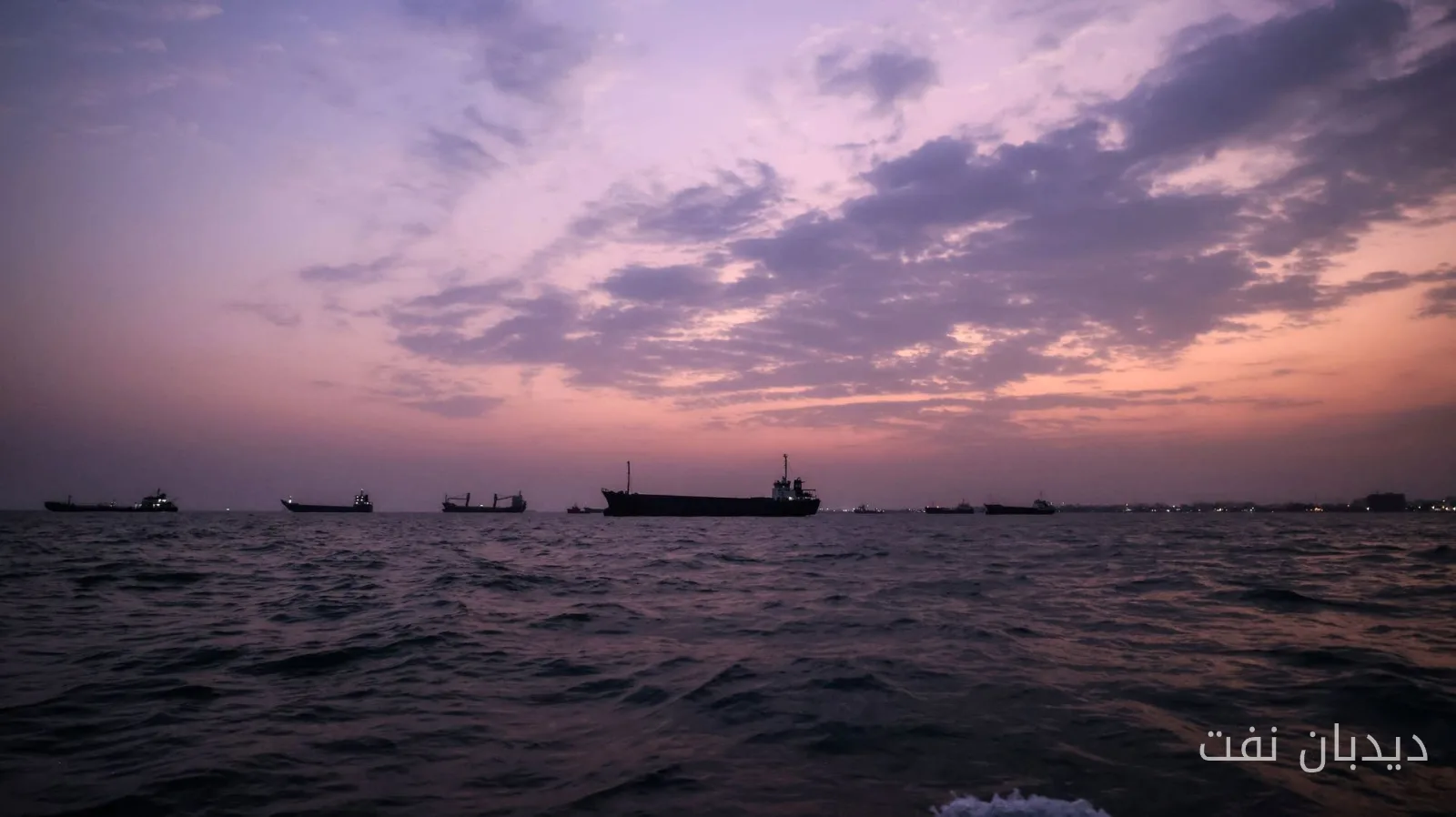
The flow of oil in the Strait of Hormuz has turned into a thrilling circus. While the United States and Iran both have the power to control and limit the flow of oil, neither is capable of fully reopening this strategic route alone. This situation clearly illustrates the immense challenges in the oil market and its impacts on the global economy.
Unstable Oil Flow
Experts believe that the oil flow will be highly unstable. Political and military uncertainties in this region make predicting future developments nearly impossible. This issue not only affects oil prices but also casts a shadow over the decision-making of producing and consuming countries.
In these circumstances, the oil market will face serious fluctuations. Prices may experience severe changes in the short term, and these changes will particularly impact countries dependent on oil imports. In fact, this situation could lead to rising prices and inflation in various countries.
Future Challenges
Both the United States and Iran are striving to maintain their interests while sanctions and international pressures continue to be intense. Meanwhile, other countries must also adapt to this new reality and adjust their strategies based on the rapid changes in the oil market.
It seems that in the near future, we will witness more fluctuations in oil prices. With ongoing tensions in the Strait of Hormuz, this strategic route will remain a pivotal point for developments in the oil market.