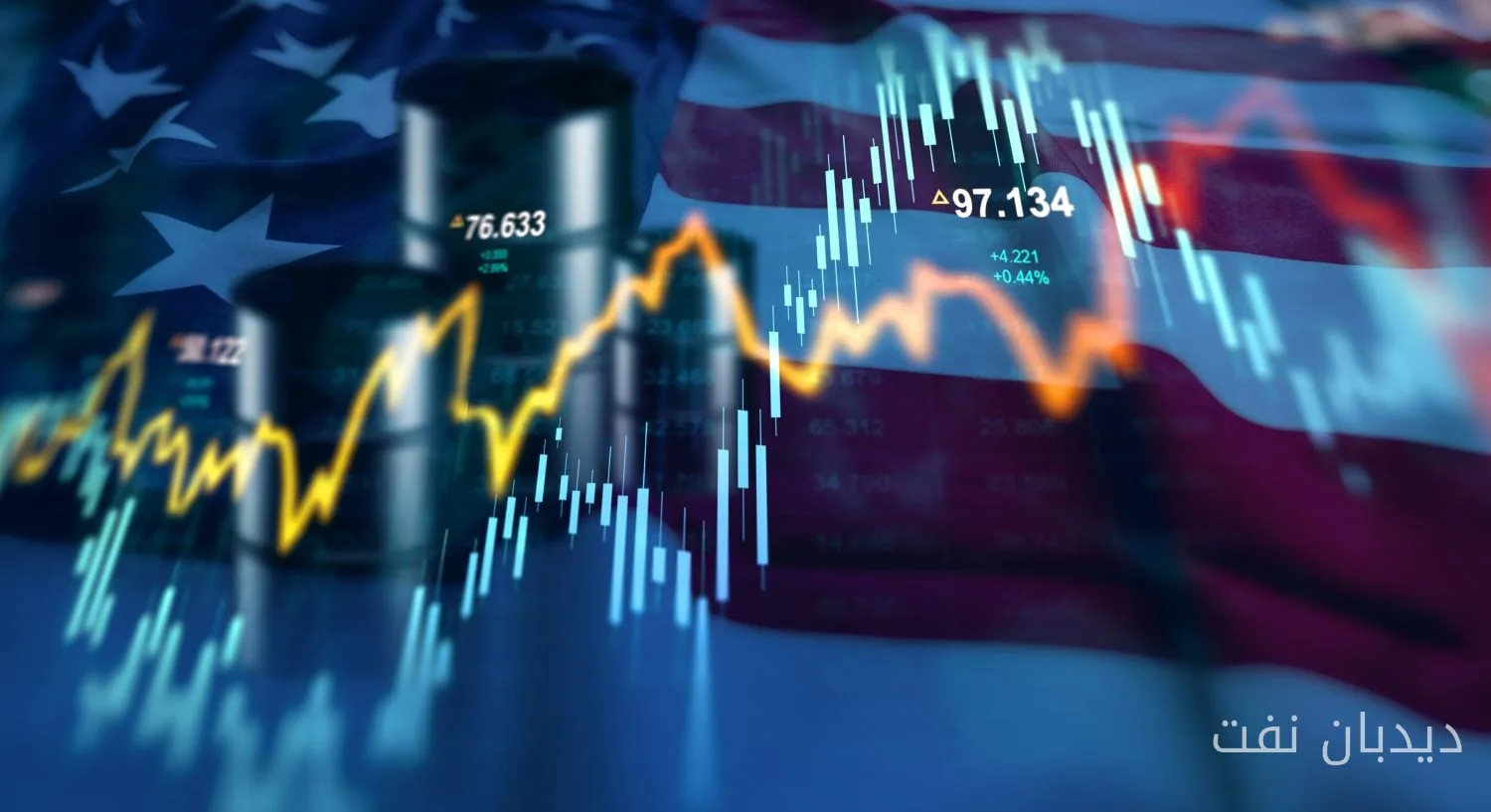
The crisis in the Middle East has once again impacted global oil prices, this time with greater force, pushing prices above $100 per barrel. The ongoing conflicts in this region, which has always been recognized as one of the vital points for global oil supply, have raised serious concerns about disruptions in oil supply.
New Challenges in the Oil Market
Analysts believe that this price increase is due to uncertainty about the future political and economic situation in the Middle East. Given that this region supplies a significant portion of the world's oil, any unrest can quickly affect prices.
While oil prices have reached $101 per barrel, experts are discussing the possibility of further price increases if unrest continues. Especially since major producers like Saudi Arabia and Iran are also under more pressure in these conditions.
Economic Consequences
The increase in oil prices not only affects producing countries but also quickly transfers to global markets and oil-dependent economies. Countries that rely on oil imports will face rising costs and consequently, an increase in the prices of goods and services. This situation could exacerbate economic recession in some countries.
Some analysts believe that if the Middle East crisis is not resolved, prices may rise even further, leading to more economic challenges for consuming countries.
In summary, the ongoing conflicts in the Middle East once again highlight the deep dependence of the global oil market on political stability in this region. With this trend continuing, we should expect oil prices to remain volatile and global markets to be affected by these fluctuations.