Crude oil imports from Russia to Azerbaijan have faced a severe decline this year, dropping nearly ninefold. These changes in energy supply and exchanges have significant economic and political implications for both countries. In the past, the state-owned SOCAR purchased Russian crude oil, but the new conditions have led to challenges in meeting this country's energy needs.
Impact of Import Reduction on Energy Relations
The Baku oil refinery, dating back to the Soviet era, is designed to primarily process heavier Russian oil. Therefore, the reduction of crude oil imports from this country by SOCAR has not only affected production processes at this refinery but has also led to a 40% decrease in trade volume between Russia and Azerbaijan since the beginning of this year. This reduction clearly indicates changes in the energy equations between the two countries.
Diplomatic and Economic Consultations
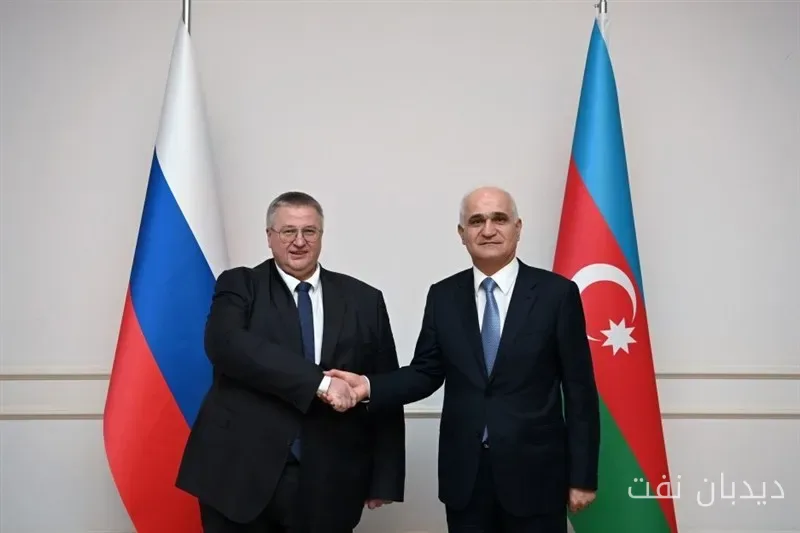
In this context, negotiations between high-ranking representatives of the Russian and Azerbaijani governments continue within the framework of intensive working sessions. These meetings focus on reviewing the latest status of joint economic projects and developing trade cooperation. In recent meetings, the Deputy Prime Ministers of the two countries, Alexey Oruchok and Shahin Mustafayev, emphasized the importance of facilitating transit routes and improving logistical and communication networks.
The development of the North-South transit corridor, as a key axis in these negotiations, is on the agenda. This corridor's development could serve as a secure alternative to maritime routes that face challenges due to insecurity. This route, passing through Azerbaijani territory, will also help expand road and rail transport volumes.
In another part of these negotiations, topics related to expanding investment ties and supporting private sector activities were also discussed. These negotiations reflect the efforts of both countries to maintain and strengthen economic relations in challenging conditions.



