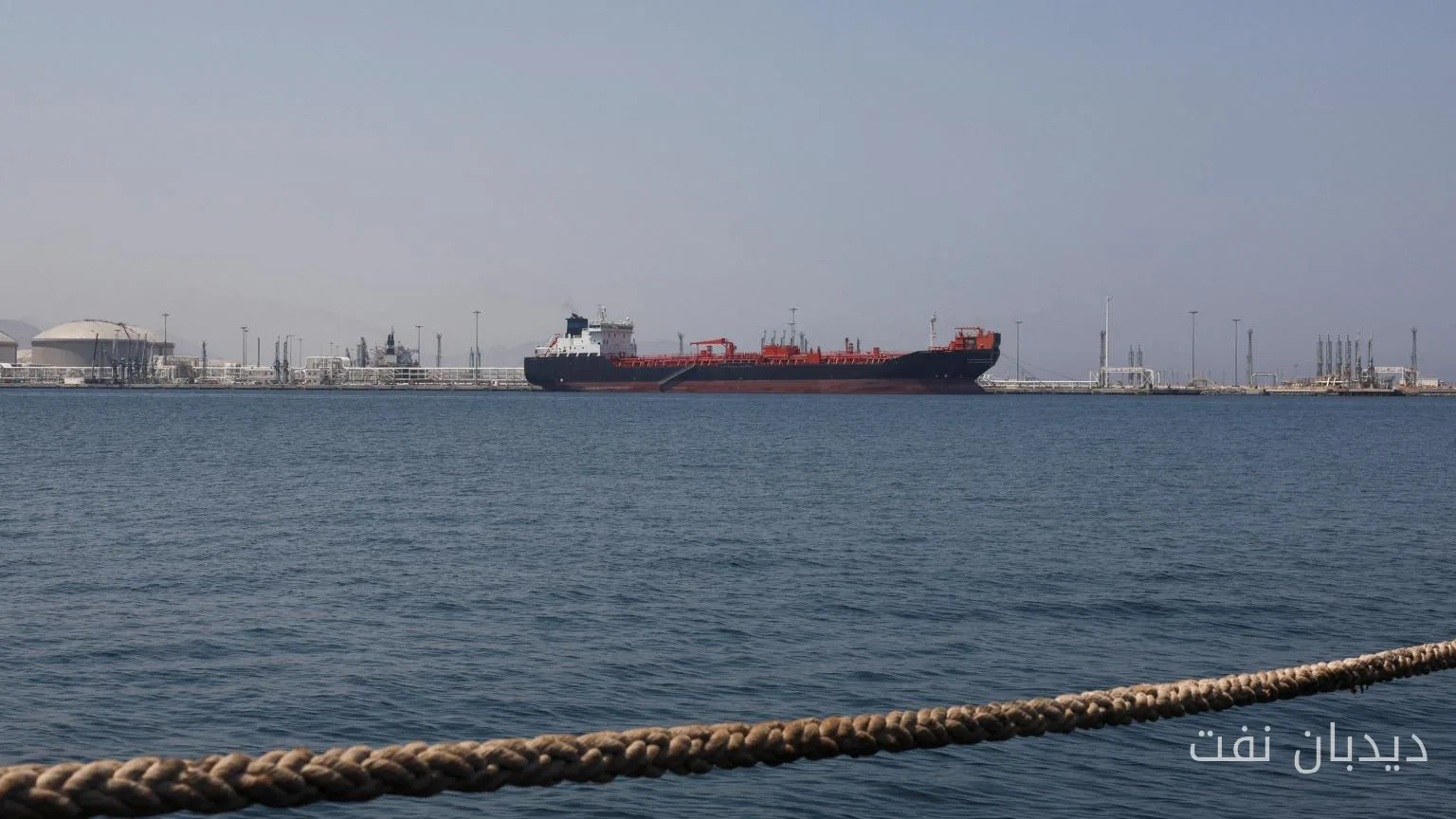
Mohammad Akraminia, spokesman for the Iranian army, in recent statements, conditioned the reopening of the Strait of Hormuz on the withdrawal of American forces from the region and emphasized that if these forces continue to be present, they will be expelled from the area.
Condition for reopening the Strait of Hormuz
Akraminia wrote on October 16 on his social media account on X: "If America leaves the region, the Strait of Hormuz will be open and collective security will be established with the participation of regional countries, and the global economy will improve. If it does not leave, we will expel it." These statements come at a time when tensions in the region have sharply increased and attacks on commercial ships in the Strait of Hormuz and its surroundings have intensified.
Read more: Pezeshkian: Identifying the source of deviation in the fuel distribution chain is essential
Status of ship passage and oil exports
According to data from the ship tracking company, Kpler, only five cargo-carrying ships were recorded passing through on Saturday, and no passage was recorded on Sunday. This figure was 31 ships the previous week. This sharp decline in ship traffic indicates the impact of sanctions and existing tensions in the region.
At the same time, the United States continues to impose a maritime blockade on Iranian oil exports. According to a report from the energy information company Vortexa, Iran's maritime crude oil exports have dropped to zero in October. This has severely impacted Iran's economic situation and has raised global concerns regarding energy supply.
Consequences of insecurity in the Strait of Hormuz
Akraminia also identified the United States as a factor of insecurity in the eastern Strait of Hormuz and urged ship owners to use the route designated by the Iranian armed forces for passage through this waterway. He claimed that ships passing through this route would be safe. This comes at a time when the current situation has led to a decrease in ship traffic and increased global concerns about energy security.
The Strait of Hormuz is one of the most important energy transit waterways in the world, and before the start of the U.S. and Israel's war with Iran in February of this year, about one-fifth of global oil and liquefied natural gas trade passed through it. Now, with ongoing tensions and sanctions, the future of this waterway and its impact on global energy markets remains uncertain.
Read more: Oftgam in search of the owner of the energy transfer infrastructure of Hornsia 3



