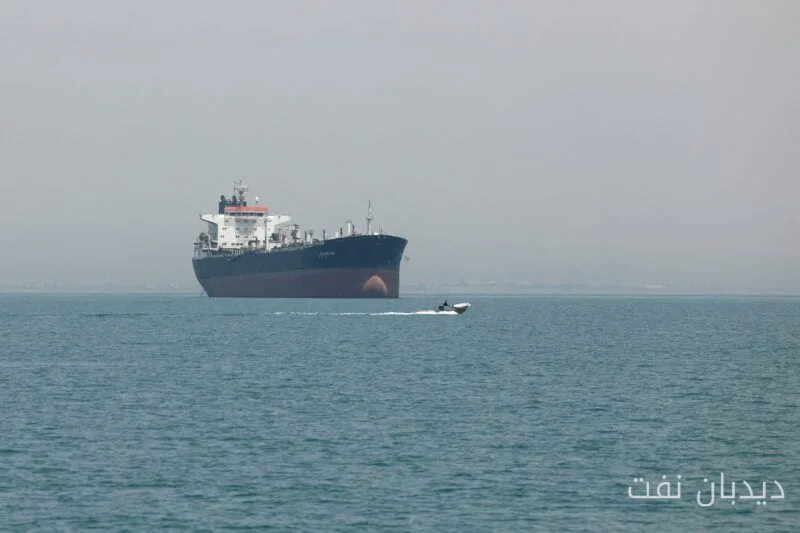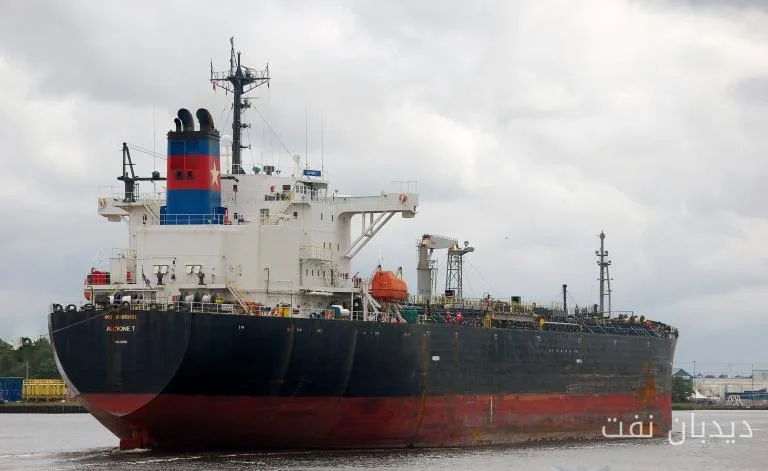
Oil prices have surged to an unprecedented level, reaching $١٠٥ a barrel. This price increase is significantly notable following the escalation of tensions in the Middle East, particularly the crises related to Iran. Given the signs indicating the prolonged nature of this war, the oil market is currently under pressure.
Factors Influencing the Increase in Oil Prices
Analysts believe that political and military issues in this region of the world have impacted oil prices and have also increased borrowing costs. Uncertainty regarding the status of the war and the possibility of it spreading to other neighboring countries has raised concerns among investors and energy market participants.
Considering that oil prices have reached their highest level in recent years, this could have widespread economic repercussions. The increase in oil prices not only affects energy costs but could also lead to rising prices of other goods.
Future Predictions
Some experts believe that this upward trend may continue unless successful diplomatic negotiations are conducted to reduce tensions in the Middle East. In the meantime, investors should closely monitor developments and pay attention to their strategies in this challenging market.
Ultimately, the current state of the oil market indicates that regional tensions can have serious consequences for the global economy. Given the dependence of many countries on energy resources, the repercussions of this crisis could be felt beyond the borders of the Middle East.