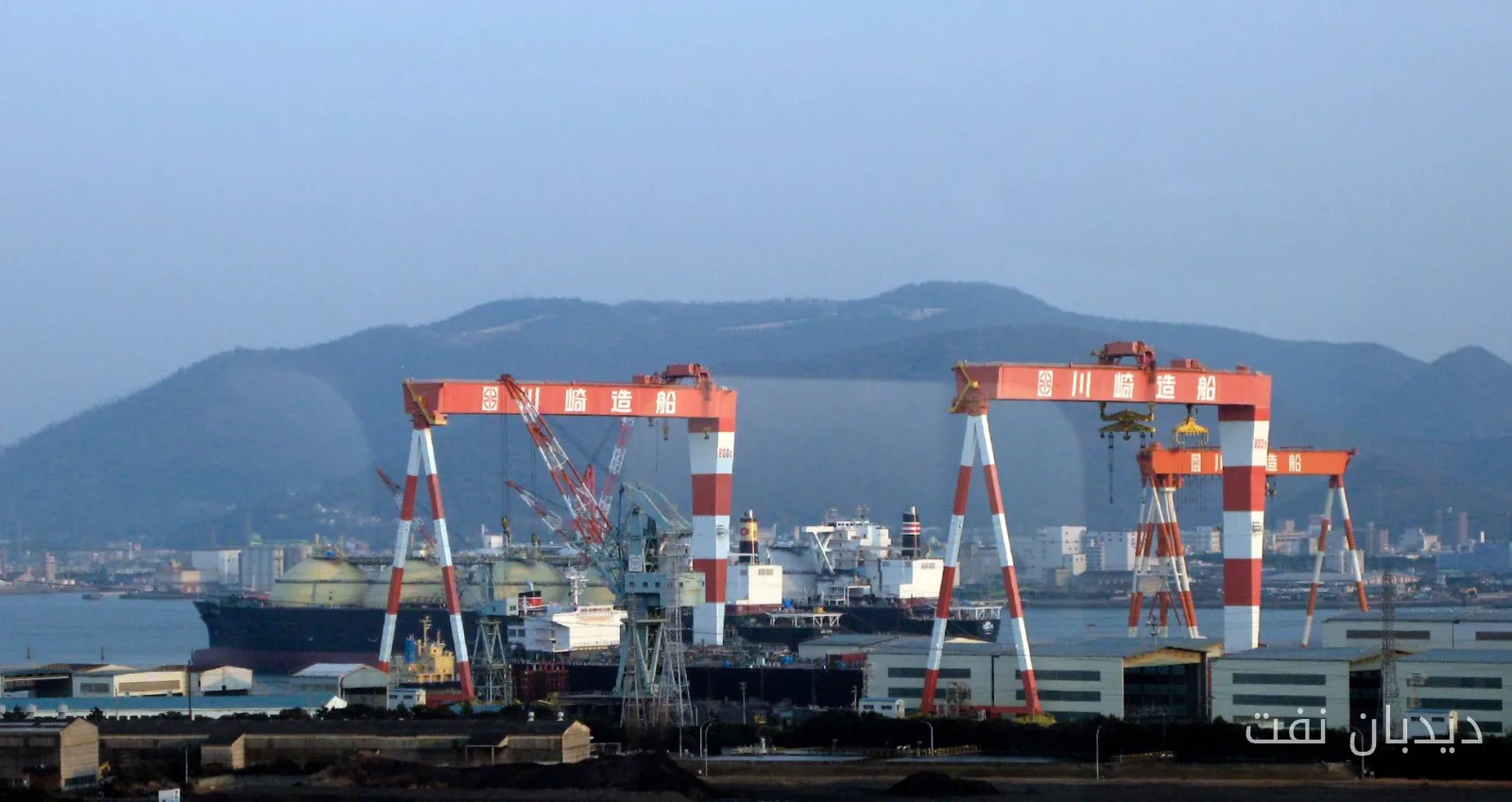
Kawasaki Heavy Industries, one of the largest shipbuilders in Japan, has recently unveiled a new climbing underwater robot. This robot, equipped with artificial intelligence technology, is capable of climbing vertical surfaces and maneuvering in tight spaces. The goal of developing this robot is to reduce the need for access equipment and human labor in welding and weld inspection operations in shipbuilding.
Details of the New Robot Technology
The initial model of this robot is designed to be two feet long. It is engineered to work on complex and vertical surfaces and perform welding and inspection tasks without the need for lifting equipment. The use of such robots in the shipbuilding industry could lead to increased efficiency and reduced costs, especially considering the labor shortages in Japan.
Read more: Search for Turkish tanker crew halted on the shores of Bulgaria
Labor Challenges in the Shipbuilding Industry
The shipbuilding industry in Japan is facing serious challenges in securing labor. The aging population and its continuous decline have made it harder to find workers. Guest worker programs have temporarily helped fill this gap, but the Japanese government is imposing more restrictions on work visas. In such circumstances, replacing labor jobs with technology means preserving jobs instead of losing them.
Kawasaki Heavy Industries is also striving to accelerate the use of artificial intelligence in its daily operations. This includes robotics and "physical artificial intelligence," which is a combination of hardware and AI that creates systems interacting with the physical environment. The company plans to invest $3.5 billion for upgrades across all its manufacturing sectors over the next four years.
According to Jun Yamagucci, co-creator at the Physical AI Research and Development Laboratory at Kawasaki, "Physical AI interacts with the real world. This technology can recognize its surroundings, make decisions, and manipulate objects in the real world."
Kawasaki Heavy Industries has also planned to have a humanoid robot equipped with AI in public service by 2030 to bring the benefits of robotics to a wide range of human tasks.
Read more: IMO Secretary-General expresses condolences after the death of five sailors during ship rescue operations · New developments in chartering: Human trust in technology surpasses