Japan, the United States, and South Korea are preparing to sign an important agreement on maritime cooperation and energy supply in the Arctic. This agreement, which will be signed on the sidelines of the United Nations General Assembly in New York, is designed to strengthen economic infrastructure and energy security in this vital region.
Details of the Agreement
The foreign ministers of the three countries, Toshimitsu Motegi (Japan), Marco Rubio (United States), and Cho Hyun (South Korea), are expected to sign this agreement. This document includes the establishment of a trilateral working framework that focuses on maritime use in the Arctic, energy resources, and economic security. Cooperation could expand to the development of maritime routes, icebreaker technology, maritime observations, and the transportation of oil and gas.
Read more: The U.S. Navy Launches Special Ship for September 11 Heroes
Recent Developments in Arctic Maritime Transport
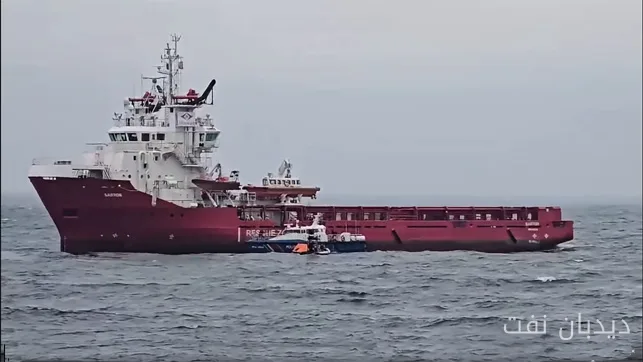
This action comes as maritime transport in the Arctic is rapidly transforming from a long-term concept into a commercial experiment. South Korea recently completed its first container ship journey through the Northern Sea Route this month. The PanStar Acro, with a capacity of 2,758 TEU, reached Northern Europe after a 21-day journey from Busan. Additionally, Seoul has launched an annual funding program worth 120 billion won (approximately 87 million dollars) for ice-class ships and icebreakers.
Meanwhile, China has also increased the number of seasonal container ship voyages in the Arctic. Russia continues to develop the Northern Sea Route and related port and resource projects. These developments reflect rapid changes in the economic and commercial geography of the Arctic region, which has gained greater importance in light of global energy crises.
Geopolitical Implications
The maritime cooperation agreement among these three countries could strengthen economic and security relations in this sensitive region and have significant geopolitical implications. Given the rich energy resources in the Arctic and climate changes that have made access to these resources possible, this cooperation could serve as a new model for international collaboration in managing natural resources and commercializing maritime routes.
Read more: Security Incident in the Strait of Hormuz Reported by the UK Maritime Trade Operations Agency · The Islamic Revolutionary Guard Corps Navy Controls the Strait of Hormuz