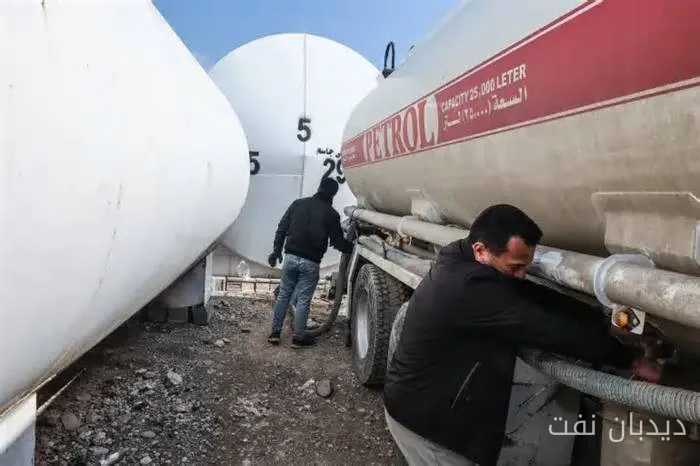
Iraq, which is heavily dependent on imports, is facing increasing economic challenges. This country, whose only major export is oil, is seeing a decline in its oil revenues due to the war between Iran and Israel and the resulting disruptions.
Impact of War on Iraq's Oil Exports
Since the start of the U.S. and Israel's war against Iran in late February, Iraq's economic conditions have been severely affected. The free flow of trade through the Strait of Hormuz, which is the main route for oil exports as well as other goods, has faced serious problems. This situation has led to a decrease in Iraq's oil revenues and an increase in import costs.
Read more: Iran and Taliban Negotiating for the Export of 2,000 Megawatts of Electricity
Ali Al-Zaydi, Iraq's Prime Minister, has clearly stated that his country is facing "extraordinary economic challenges." The decline in oil revenues means increased dependence on imports and greater pressure on the people and the economy of the country. Iraq, as a country with vast oil reserves, could have used these resources to offset its import costs, but the current situation has severely limited this possibility.
Economic Consequences for the People of Iraq
The economic crisis resulting from wars and sanctions has led to an increase in the prices of essential goods and a decrease in the standard of living for the people. The consequences of this situation directly impact the daily lives of Iraqis. From food to medicines and household items, everything has been affected, and people are facing fundamental problems.
Meanwhile, the inability to meet basic life needs has increased public dissatisfaction and may lead to social unrest. It seems that Iraq must quickly find solutions to improve the economic situation and reduce dependence on imports to emerge from the current crisis.
Read more: Panama Canal Announces New Allocation Program for Neopanamax and Panamax Locks · Mohammad Taghi Fayyazi: Unprecedented Combination of Inflation and Negative Growth in Iran's Economy