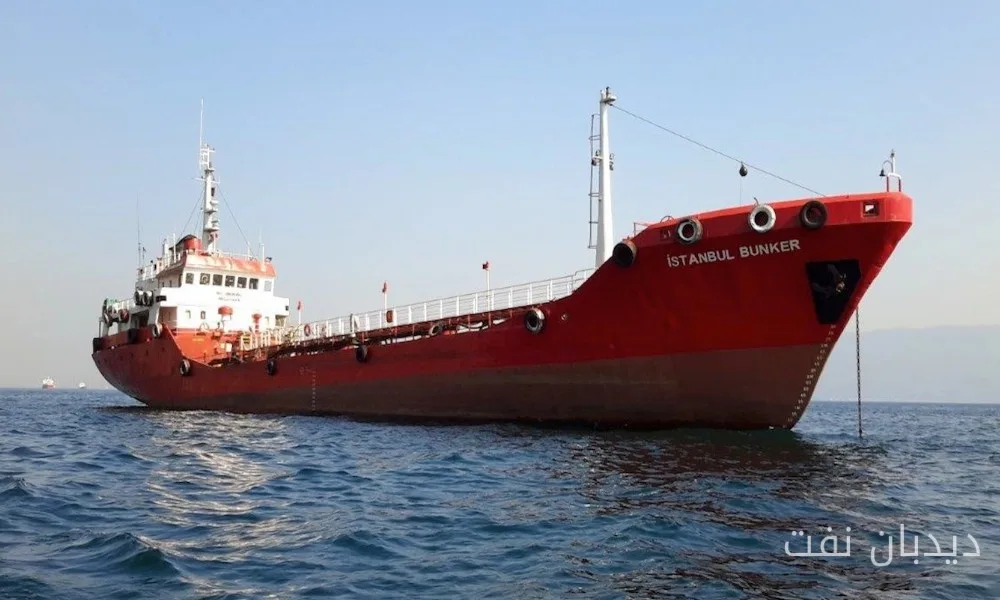
As tensions in the region have reached their peak, Iran has made a controversial decision. The Islamic Republic has temporarily suspended the 10% loading fee for energy-carrying vessels for imports and exports. This action clearly demonstrates Tehran's efforts to attract more foreign trade and facilitate energy transfer to various parts of the world.
Economic and Political Impacts
The suspension of this fee could have profound effects on the energy market and Iran's trade relations with other countries. While some analysts view this move as a strategic step to strengthen economic ties with target countries, others see it as a sign of weakness in the face of international pressures and economic sanctions.
With this decision, Iran aims to attract energy vessels to its ports and relieve ship owners of additional costs. This action, especially at a time when competition in the energy market has intensified, could be beneficial for Iran.
Future Outlook
Considering the changing global conditions and regional developments, this decision may change soon. Market participants should closely monitor developments, as any changes in Iran's policies could have significant implications for global energy prices and supply.
Ultimately, this action not only indicates a shift in Iran's economic policies but could also be seen as a strategy to strengthen Iran's presence in the global energy market. Given the existing tensions, Iran is trying to seize this opportunity and reintroduce itself as a key player in the energy market.