In a recent move, the European Central Bank (ECB) raised interest rates to 2.5% and drew global attention with a warning about the increasing risk of inflation following the escalation of conflicts in the Middle East. This decision was made as oil prices reached above $105 per barrel, and price pressures in the Eurozone have significantly increased.
Increased borrowing costs and their impacts
With the rise in interest rates, borrowing costs in Europe have significantly increased. This, in turn, could negatively impact economic activities and raise the risk of recession. Economists believe that this action is the central bank's effort to control soaring inflation caused by various factors, including rising energy prices and global market fluctuations.
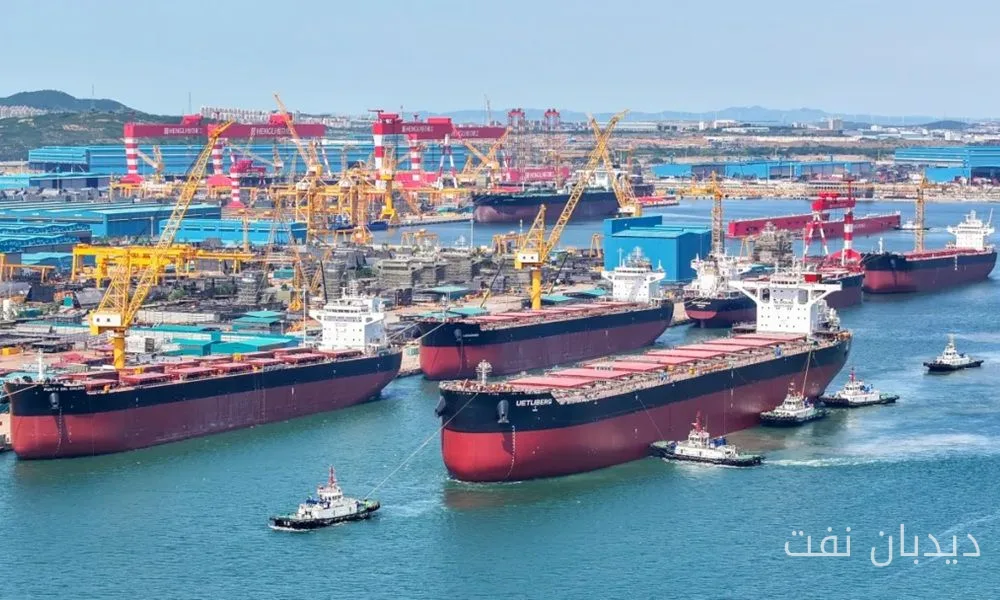
The escalation of conflicts in the Middle East, particularly the recent attacks by Iran and the United States on ships in the Strait of Hormuz, is recognized as a key factor in rising oil prices and pressure on interest rates. This situation will have profound effects not only on oil markets but also on the entire global economy.
Future concerns and economic outlook
The European Central Bank stated in a statement that, given the current conditions, the risk of rising prices next year has significantly increased. These concerns clearly indicate that wars and regional tensions can have widespread repercussions on the global economy. While governments are trying to control inflation by raising interest rates, it remains to be seen whether these measures can solely address the emerging challenges.
Ultimately, the current economic conditions in Europe are heavily influenced by global developments, particularly political and military tensions in the Middle East, and these concerns could significantly impact future decisions by central banks and governments.