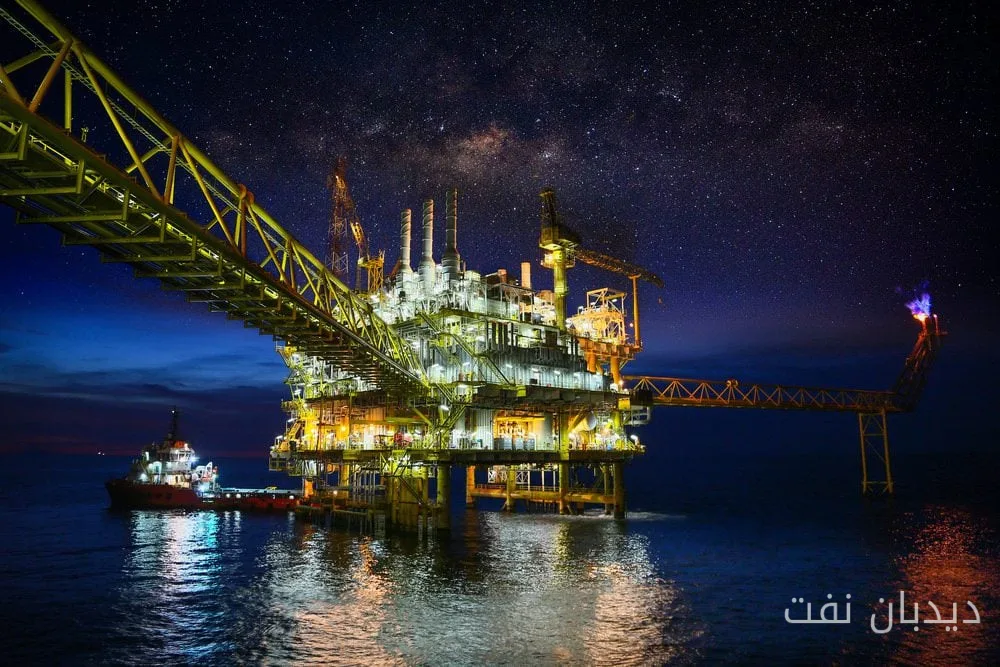
In recent days, the oil market has experienced severe fluctuations. Growing concerns about escalating tensions in the Middle East and their impact on oil supply have led to a significant increase in prices. Brent crude oil has risen to over $101 per barrel, reflecting the market's reaction to recent developments.
Impact of Regional Tensions on Oil Prices
The destruction of Iranian oil tankers by American forces serves as a warning signal for the oil market. This action has not only driven prices up but has also heightened concerns about potential further disruptions in oil supply in the future. Analysts believe that these developments could benefit oil producers, but they also carry serious risks.
Now, many countries are seeking alternative options to meet their energy needs. These changes in the global oil market could lead to fundamental shifts in trade patterns and energy supply. In this context, oil-producing countries must respond more cautiously to political and military developments in the region.
What Does the Future Hold for the Oil Market?
As tensions in the Middle East continue, we should expect more fluctuations in oil prices. Analysts believe that if the current situation persists, the oil market may trend towards higher prices. On the other hand, buyers will approach oil purchases more cautiously, which could lead to further volatility in the market.
As a result, it remains to be seen whether oil prices can maintain stability in this situation or if they will fall back to lower levels. In any case, the tensions in the Middle East and their implications for the oil market are issues that must be closely monitored.