Two liquefied natural gas (LNG) shipments passed through the Strait of Hormuz this week as producers look for ways to increase supply to the market. These shipments headed to their destinations amid a market facing supply shortages and rising prices.
Details of the Shipments' Passage
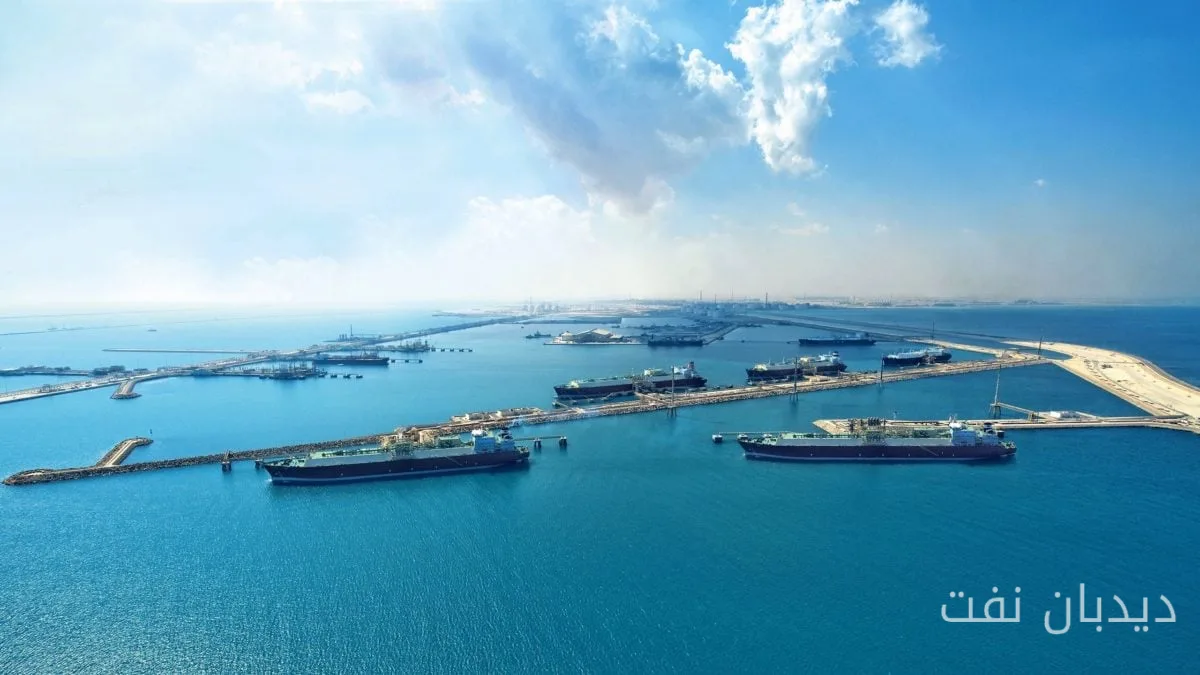
One of the tankers, which loaded at the Ras Laffan export facilities in Qatar in late August, was spotted earlier this week in the Gulf of Oman. Ship tracking data shows that this tanker passed through the Strait of Hormuz. While this vessel did not send a signal while passing through Hormuz, disruption and signal jamming in this area is common, making it difficult to pinpoint the exact location of vessels.
Read more: UK Maritime Trade Operations reported an incident involving a tanker east of Aden
Market and Consumer Impacts
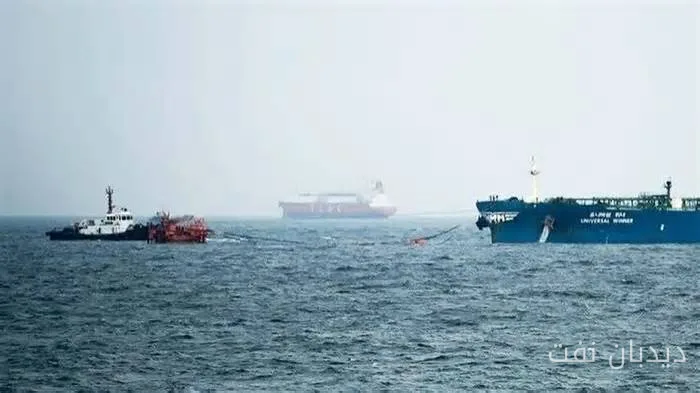
Additionally, two other LNG carriers were observed this week transferring shipments from ship to ship off the coast of Oman. These transfers reflect the efforts of liquefied natural gas producers in the Gulf to increase fuel flows to Asian and European markets. Exports from the Gulf have nearly halted since an attack on a Qatari tanker by Iran in early July, and this supply shortage has caused spot prices to reach their highest levels in over three years.
Ongoing tensions in the Middle East put significant pressure on LNG producers to test new options. Buyers in Pakistan and Bangladesh, who rely on gas through the Strait of Hormuz, are closely monitoring the situation, as any shipment passing through this region could help reduce their need to purchase from more expensive markets.
Export Status and Forecasts
Before the conflict, an average of three LNG shipments passed through the Strait of Hormuz daily. Qatar's exports typically accounted for about one-fifth of global supply. Given the increasing demand and supply shortages, producers are exploring new solutions to meet market needs.
Moreover, satellite images indicate that at least three LNG transfers from ship to ship have occurred off the coast of Oman since mid-August. Such transfers have become common for tankers in recent months, but are very rare for LNG due to the technical challenges associated with maintaining fuel temperature during transfer.
Overall, the current situation clearly illustrates the challenges and opportunities facing LNG producers in this region. With winter approaching in the Northern Hemisphere, there is a likelihood of further price increases, and producers must respond quickly to these changes.
Read more: UK Maritime Trade Operations reported pursuing a tanker east of Aden · Incident of fire on a tanker in the Strait of Hormuz reported