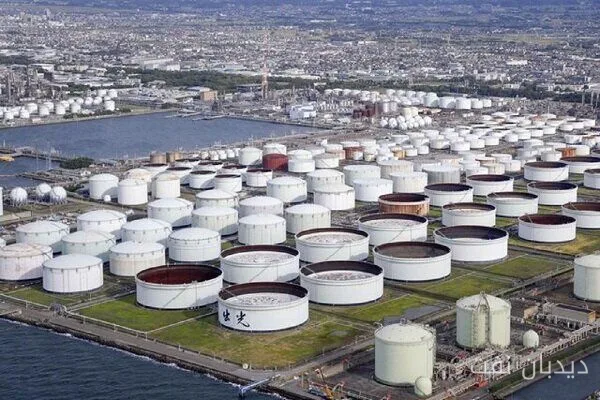
The increase in global demand for coal following the decrease in liquefied natural gas (LNG) supply and the surge in its prices ahead of the winter season has made coal one of the competitive options for energy supply in the global market.
Decrease in LNG Supply and Increase in Demand
LNG export flows from the Persian Gulf remain over 75% lower than pre-February 28 levels, and in this context, heating demand is significantly rising ahead of the winter season. In Europe, the November natural gas contract on the Dutch energy exchange (TTF) is trading above 81 euros per megawatt hour. In Asia, spot LNG prices have surpassed European prices, leading to more shipments being directed eastward. In contrast, coal prices remain about 80% lower than LNG.
Read more: U.S. Republican Congressman Calls Trump's Oil Deal with Putin Incorrect
Changes in the Coal Market
Despite the gradual decrease in coal usage in some countries due to climate policies, the war in Iran and disruptions in gas trade have changed market equations. Increased risks in LNG transport routes and reduced supply from the Middle East have once again highlighted the economic advantage of coal. The International Energy Agency (IEA) announced in September of this year that it expects global coal demand to reach its highest level in history this year.
Coal purchases in the fourth quarter of this year are also likely to accelerate, as the peak energy demand season has begun and various countries are securing the energy they need to get through the cold. According to recent reports, although global coal exports were on a declining annual path before this month, developments in the fourth quarter could reverse this trend.
In fact, Australian thermal coal for delivery in Asia is now trading at a discount of about 80% compared to LNG. Meanwhile, spot LNG prices for November shipments have surpassed $26 per million British thermal units (mmBtu).
The ongoing energy emergency in Qatar's LNG industry and the increase in attacks on ships in the Persian Gulf are among the main limiting factors for LNG trade. In the past two weeks, attacks on about 20 ships in the Persian Gulf have been reported, most of which were oil tankers and some also carried LNG.
In contrast, coal does not face such limitations. The price of Australian benchmark coal is now reported at about $5.40 per mmBtu, creating a significant difference against the $26 price of LNG, which could force governments to reconsider their clean energy policies.
The increase in coal demand is not limited to Asia, and even in Europe, which is one of the main opponents of this fuel, we are witnessing an increase in coal imports. The surge in gas prices to levels last seen in 2022, along with the limited energy supply options in Europe following the ban on imports of Russian energy carriers, has significantly increased the European Union's coal imports.
Read more: Gas Imports from Turkmenistan Due to Domestic Production Decline on the Agenda · Pertamina and Medco Acquired Part of Eni's Marine Assets in Indonesia



