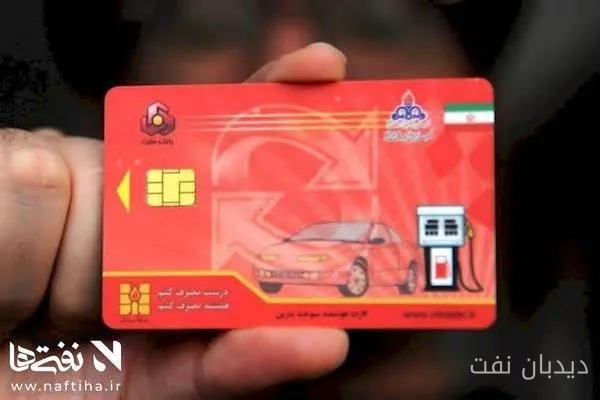
The adjustment of the third gasoline rate, which has been made while maintaining the basic and supplementary quotas, seems more like the beginning of a serious test in the field of energy governance in Iran rather than an end to economic policies. These changes not only affect gasoline prices but can also have widespread consequences for people's livelihoods and energy consumption patterns.
Challenges Ahead
In the coming months, the results of this test will become clear. Will the government be able to reduce energy consumption while maintaining people's livelihoods? These questions are heavily on the minds of energy experts and analysts. Given the increasing economic and social pressures, proper management of these changes could be considered a real test for energy governance.
The government is now facing serious challenges. On one hand, there is a need to reduce energy consumption, and on the other hand, to maintain public satisfaction and people's livelihoods. These two goals together can turn into a complex equation where any wrong decision may have irreparable consequences.
Looking to the Future
Sustainable development and optimal use of energy resources, especially under current conditions, require precise planning and attention to the opinions of experts and the public. If the government can successfully navigate this test, it could be seen as a successful model in energy governance. Otherwise, it may face public dissatisfaction and serious challenges in economic and social domains.
Overall, the increase in gasoline prices as a sensitive and challenging issue could pave the way for fundamental changes in the country's energy policies and the economic relations of the people. Analysts and experts are closely monitoring these developments to assess their outcomes for the future of the country.