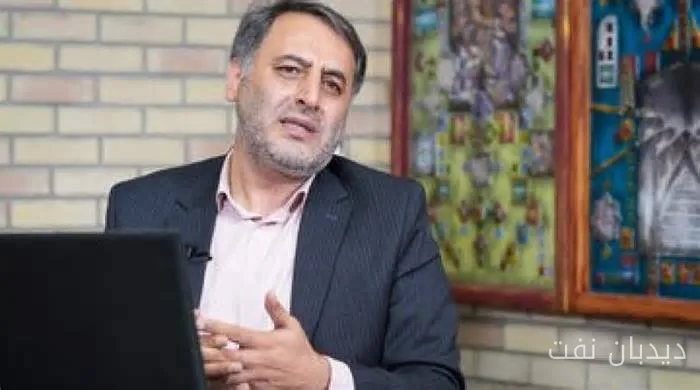
Hemat Gholizadeh, an energy economics analyst, believes that a significant part of today's economic problems in Iran began with the change in the oil and energy product pricing mechanism in 2007. According to him, this change has led to imbalances and increased poverty in society instead of reducing inflation.
History of Oil Pricing Changes
In 2007, Iran adopted changes in the oil and energy product pricing mechanism, which Gholizadeh believes directly led to the current economic crises. This economic analyst points out that the policies adopted at that time resulted in imbalances in supply and demand instead of providing economic stability, creating new problems for the country.
Social and Economic Consequences of Changes
Hemat Gholizadeh emphasizes that the current state of society is such that one-third of Iranians live below the poverty line. This is a direct result of the pricing changes and unstable economic policies that began in 2007 and continue to this day. Gholizadeh believes that these changes have not only led to increased poverty but have also negatively impacted the livelihoods of various segments of society.
Alongside these problems, Gholizadeh also points to imbalances in the energy market. He states that the mismatch between energy production and consumption in Iran, along with economic crises resulting from sanctions and misguided policies, has created serious challenges for the country's energy industry.
Proposed Solutions
The energy economics analyst suggests that to improve economic and social conditions in Iran, there is a need to reconsider economic policies and pricing. In his opinion, returning to better pricing mechanisms and addressing the real needs of society can help reduce poverty and improve the livelihoods of the people.