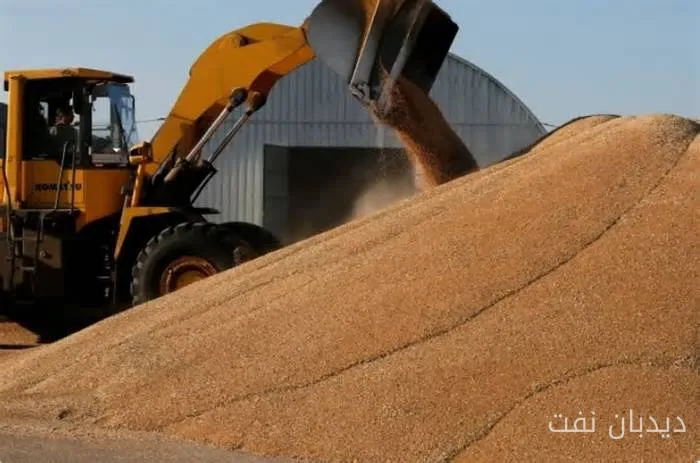
Global wheat prices in international markets have reached their highest level in three and a half years. This price increase is due to the ongoing tensions in the Ukraine war and climate issues that have affected grain production.
Factors Influencing the Rise in Wheat Prices
Analyses show that reduced confidence in future crops and transportation difficulties have forced buyers to pay more before a real shortage occurs. Wheat futures prices on the Chicago Exchange have increased by 40% as of September 23 compared to their lowest level in June. These pressures have impacted food import costs, especially in countries that are heavily reliant on food.
Read more: The Infrastructure Commission of the Expediency Discernment Council Reviewed Energy Supply
Impacts of Climate Change
Data from the Food and Agriculture Organization of the United Nations (FAO) shows that global wheat prices increased by 2.6% in August compared to the previous month and are nearly 15% higher than last year's level. The climate crisis affecting grain production is cited as one of the main factors behind price changes. According to forecasts from the United States Department of Agriculture, large harvests in Canada and Australia may help alleviate pressures on the market, but concerns about recurring droughts and heat remain.
The situation of the war in Ukraine is also recognized as a key factor in wheat exports. Given the important role of Russia and Ukraine in global wheat supply, disruptions in maritime transport in the Black Sea have significantly impacted the market. Estimates suggest that Russian wheat exports may decrease to about 1 million tons in September, while this figure was 5 million tons last year.
High Transportation Costs and Their Impact on Wheat
Rising transportation costs due to the war and energy crisis have affected wheat prices. Marine insurance costs and port issues are pushing traders towards more distant ports and more expensive transportation methods. This situation could have negative impacts on the security of shipments and increase cultivation costs.
Ultimately, the rise in global wheat prices due to multiple crises has created new challenges for countries that rely on food imports. While some countries are expected to compensate for reduced exports from the Black Sea, concerns about the long-term impacts of these crises remain in consideration.
Read more: Deputy Speaker: Fuel Prices in the U.S. Determine the Situation in the Strait of Hormuz · Ukraine Seeks to Prosecute Russian Captain for Transporting Stolen Wheat