The ongoing war in the Middle East could soon turn into a major crisis in the oil market. While this war directly impacts oil prices, its long-term effects on oil demand will be much deeper and more dangerous. Prolonged wars typically lead to a decrease in market confidence and push investors towards alternative choices.
Wall Street's Concerns
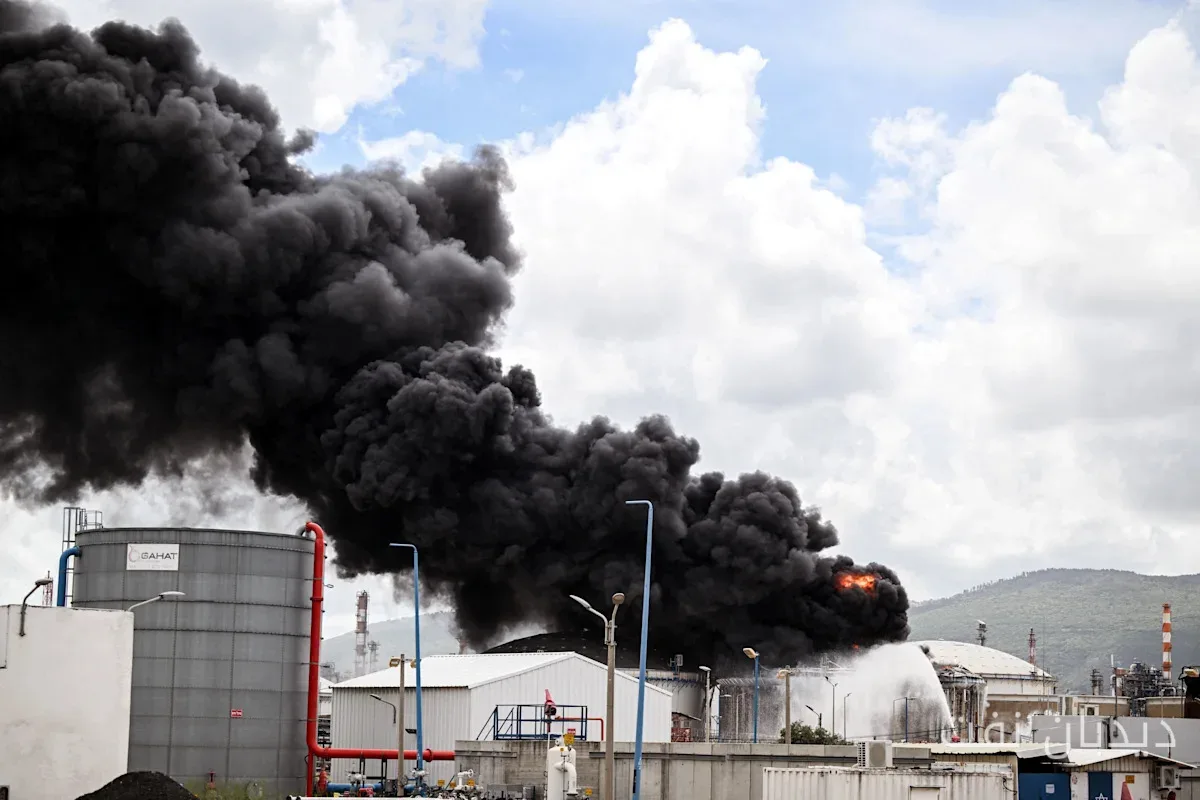
Wall Street, which is traditionally sensitive to oil price fluctuations, has clearly expressed its concerns during this period. The latest round of retaliatory attacks on tankers has brought a wave of anxiety, and major banking analysts have concluded that the current market situation could permanently affect oil demand.
Increasing tensions in the Middle East and attacks on tankers not only impact oil prices but could also lead to a reduction in investment in oil and gas projects in the future. In fact, if the current situation continues, many countries will be forced to change their energy strategies and move towards renewable resources.
Impact on the Global Market
As wars trend towards becoming longer, global oil demand is expected to decline significantly. Developing countries that rely on oil energy may face economic crises, which could lead to social unrest. Meanwhile, oil producers must prepare themselves for a new reality: a future where demand for oil has sharply decreased.
Ultimately, the oil market is approaching a major and unexpected shift. Could this war lead to a fundamental change in energy consumption patterns? The future of this industry will be influenced by these developments, and unanswered questions will remain.