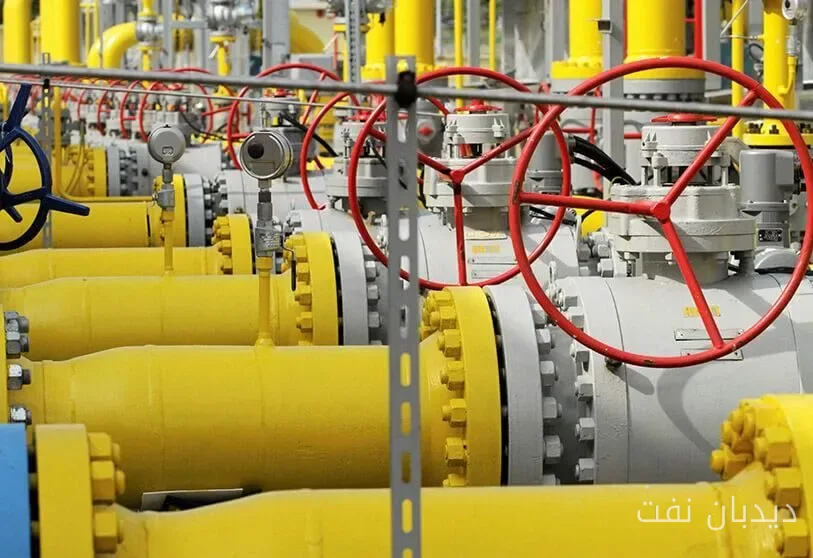
Europe's gas reserves have decreased to 72%, which is the lowest recorded level for this time of year. This situation indicates serious challenges in energy supply for the continent and its impacts on the economy and energy market in Europe will be clearly evident.
Impacts of Reduced Gas Reserves
According to published reports, the average level of gas reserves in Europe from 2022 to 2025 has been around 90%. Currently, this figure has dropped to 72%, indicating a significant decrease. This reduction in reserves could lead to price increases and instability in energy supply, especially in the winter season when demand for gas peaks.
Europe's Efforts to Secure Alternative Energy
Since the onset of the war in Ukraine and the cessation of reliance on Russian energy sources, European countries have rapidly sought alternative gas sources. In this context, gas imports from Qatar have also been planned, but the closure of the Strait of Hormuz has forced Qatar to declare a state of emergency regarding liquefied natural gas (LNG) exports. This, in turn, could have profound effects on Europe's energy supply.
Reports indicate that as of September 30, the filling level of underground gas storage in Germany and the Netherlands was about 60%, while this figure was reported to be less than 40% in the UK. This sharp decline in reserves, especially in key countries like Germany and the Netherlands, could lead to an energy crisis in the winter season.