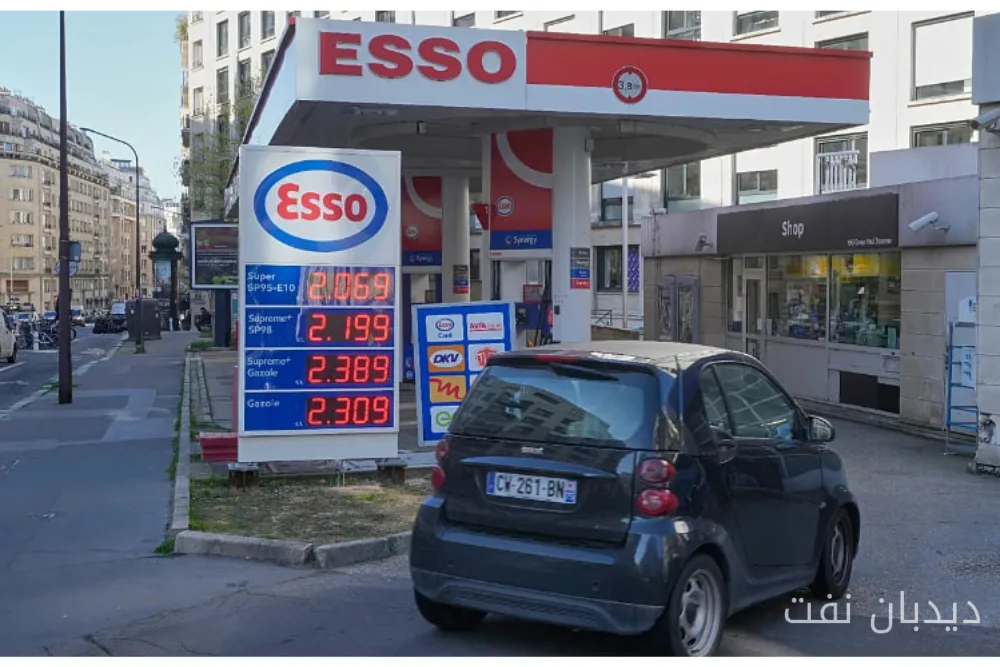
The energy crisis in Europe has entered a new phase due to wars in the Persian Gulf and the Red Sea. This crisis is clearly manifested by the reduction of gas reserves and rising prices in energy markets. Meanwhile, France is under pressure from fuel shortages and a spike in diesel prices, which could have serious repercussions for the economy and the daily lives of citizens.
Impact of War on the Energy Market
Recent wars in the Persian Gulf and the Red Sea have directly affected energy supply in Europe. With tensions rising in these areas, oil and gas production has faced serious challenges, which has heightened concerns, especially on the eve of winter. The fuel shortage in France, one of the largest energy consumers in Europe, has quickly turned into a dilemma, and diesel prices have surged significantly.
Read more: The widening gap in shipping rates between Asia and Europe reaches the highest level in history
Economic Consequences of the Energy Crisis
The rise in diesel prices in France, in addition to putting pressure on households, can also affect transportation costs and consequently, the prices of goods and services. This situation could lead to an economic recession, as rising prices reduce people's purchasing power. Furthermore, with the decrease in gas reserves before winter, there is a possibility of more serious crises in the future.
In these circumstances, governments and economic institutions must take measures to manage the energy crisis and secure necessary resources. These measures could include increasing strategic reserves, diversifying energy sources, and fostering international cooperation. As the energy crisis in Europe continues, attention to sustainable and long-term solutions to address future challenges is more essential than ever.
Read more: Widespread fire in household goods warehouses on the special road of Karaj · Deutsche Bank: 152 million euro settlement with former employee, are more financial risks on the way?



