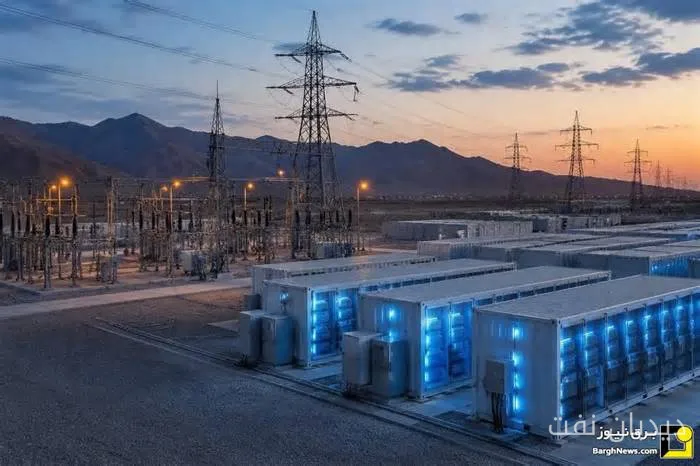
Energy storage systems have been introduced as vital tools for managing electricity imbalance in the country. With the increasing demand for electricity and the necessity of sustainable energy supply, the development of these technologies has become one of the important focal points in planning within the electricity industry.
The Role of Energy Storage Systems in Load Management
Energy storage systems can improve load management and increase the stability of the electricity grid by absorbing and storing energy during times when production exceeds consumption and injecting it into the grid during periods of increased demand. These technologies include electrochemical batteries, pumped storage power plants, and thermal storage systems, each having different applications depending on the conditions and needs of the grid.
Read more: CMB.TECH has commissioned the first ammonia-powered tankers
Considering that renewable electricity production is dependent on weather conditions, energy storage systems can store part of the generated electricity during sunny hours or windy conditions and inject it into the grid at other times, such as at night, when electricity demand increases. This process helps optimize energy consumption and reduce pressure on the grid during peak hours.
Challenges and Solutions for Developing Storage Systems
Using energy storage systems alone cannot fully resolve the imbalance between electricity production and consumption. These technologies receive energy at one time and supply it at another, which, due to energy loss in the storage process, means the amount of electricity deliverable is usually less than the energy consumed to charge the system. Therefore, the development of energy storage systems should be pursued alongside increasing production capacity, improving transmission and distribution infrastructure, and managing consumption.
Minu Gholami, the project manager of energy storage systems at SATBA, has pointed to the importance of this technology in managing electricity imbalance and stated that large-scale batteries can assist in frequency control and peak load management alongside power plants. The first energy storage system using lithium-ion battery technology has also been implemented by the Greater Tehran Electricity Distribution Company, which is responsible for storing electricity during low load times and delivering it to the grid during peak consumption.
Given the climatic conditions and the country's reliance on renewable power plants, the development and improvement of energy storage systems can significantly contribute to the stability of the country's electricity grid. These technologies, in addition to supplying electricity during peak consumption hours, can also help reduce unwanted outages and improve power quality.
Read more: Hossein Simayi Sarraf emphasized the enhancement of smart classes in universities · New developments in charting: human trust in technology surpasses