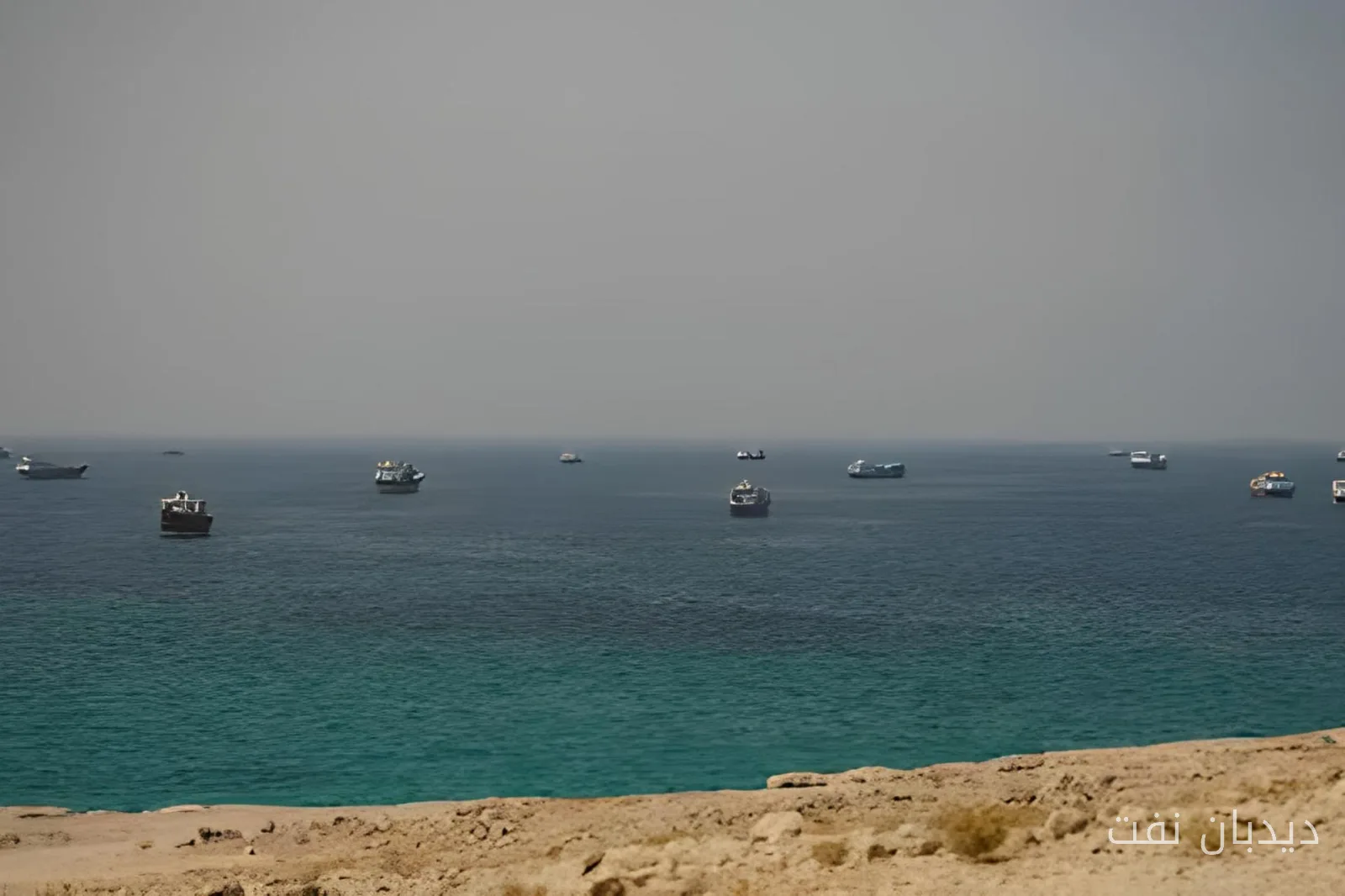
New ship tracking statistics show that traffic in the Strait of Hormuz reached only seven vessels on Wednesday, which is clearly lower than the ten-day average. This declining trend is particularly concerning given that the Strait of Hormuz, as one of the most important and strategic maritime routes in the world, plays a vital role in the transportation of oil and other commercial goods.
Reasons for the Decrease in Traffic
Analysts believe that various factors could be influencing this decrease. On one hand, political and military tensions in the region may prevent ships from entering this sensitive waterway. On the other hand, the global economic situation and fluctuations in oil prices may also affect companies' business decisions.
On Thursday, preliminary data released indicated that this decrease in traffic in the Strait of Hormuz could have serious consequences for global trade. Given that nearly 20 percent of the world's crude oil passes through this strait, any disruption in this route could have chain effects on global markets.
Economic Consequences
Reports suggest that this decrease in traffic could lead to an increase in oil prices and related goods. Additionally, major oil companies that are directly connected to this waterway may need to reconsider their strategies. Thus, the Strait of Hormuz will not only be a geographical point but also a focal point of economic and political crises in the near future.
Given the current conditions, the question arises whether we can soon expect an improvement in ship traffic in the Strait of Hormuz or if we should brace for heavier repercussions?