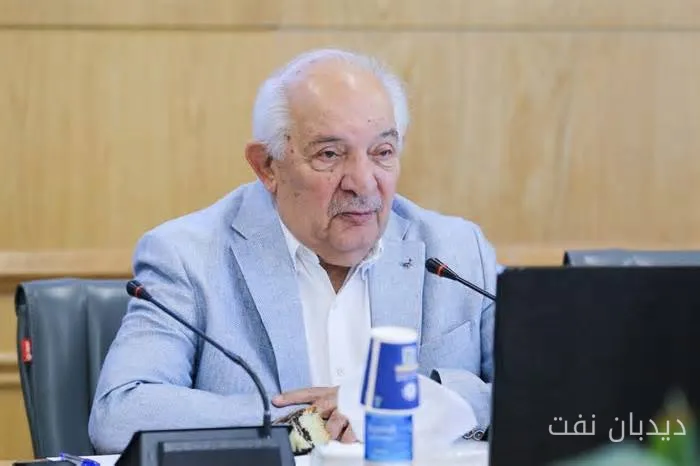
In an important meeting of the Energy Commission, one of its members criticized the current policies in the oil and gasoline sector, advising the government not to accept price increases as an option to solve the imbalance. This parliament member, referring to past experiences, emphasized that raising prices will not only fail to solve the problem but could also exacerbate social and economic crises.
The Necessity of Integration in Consumption and Production Management
During this meeting, the Energy Commission member stated: "We have repeatedly mentioned in the Energy Commission that we need to view the production and consumption network together. The gasoline imbalance cannot be resolved merely by increasing prices; we must pay more attention to the roots of this problem and resource management." This parliament member criticized the insufficient attention to infrastructure and consumption management systems, adding: "If we are to compensate for shortages only by raising prices, we will not only get nowhere but may also inflict more serious damage on society."
Challenges Facing the Government and Proposed Solutions
This parliament member further pointed out the challenges facing the government in managing oil resources and called for a reevaluation of current policies. He stated that the government should focus on reforming economic structures and improving distribution and consumption systems instead of concentrating on price increases. This representative emphasized that Iran should also benefit from the experiences of other countries in resource management.
Given the sensitivity of the issue and its social and economic impacts, these statements could mark a turning point in the government's energy policies. Will the government heed these recommendations or continue with traditional solutions and price increases? Only time will answer this question.