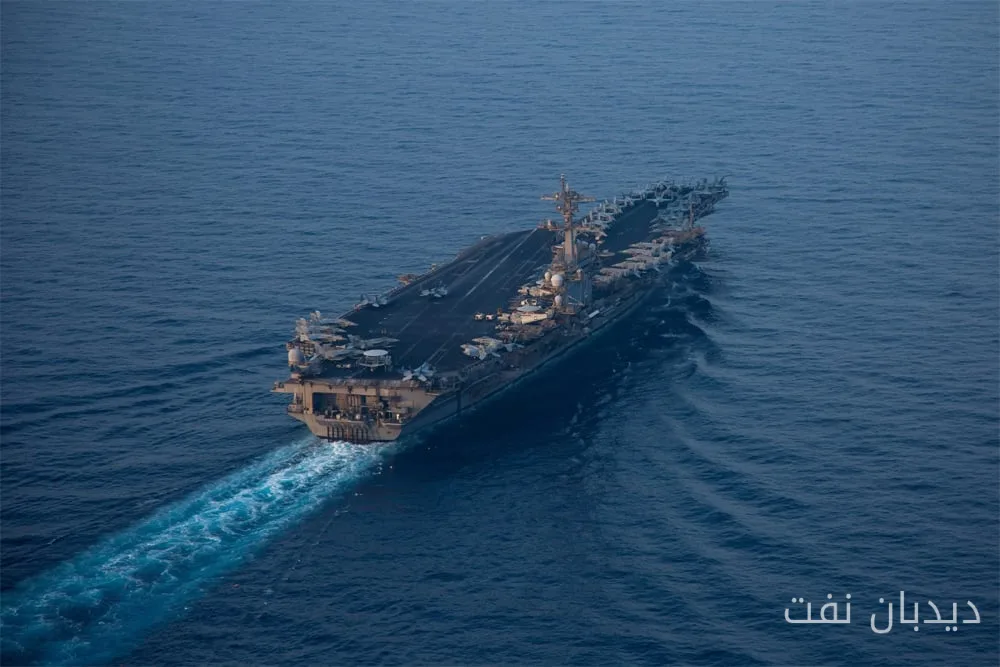
Confirmation of eight suicide attempts among the crew of the USS Abraham Lincoln and other ships in its strike group was published in a letter from Hung Cao, the head of the United States Navy, to a Democratic senator. This information clearly contradicts previous assessments of the crew's mental health and aligns more closely with reports from family members about concerning conditions.
Details of Suicide Attempts
In his letter to Senator Kirsten Gillibrand, Hung Cao emphasized that since the deployment of the USS Abraham Lincoln, eight suicide attempts have been recorded in the strike group. He also noted that there have been no fatalities in this regard.
Read more: Challenges of Novartis' future drug testing questioned
This candid assessment came after Cao's public request to all sailors and Marines to "combat this internal enemy called suicide." On September 20, he urged leaders at all levels to get to know the individuals under their command on a personal level and to be prepared to act if signs of distress are observed.
Conditions of the Ship and Crew
The confirmation of suicide attempts in the strike group aligns with complaints from family members. In early August, families of the USS Abraham Lincoln crew addressed the media with reports about the ship's conditions and reported multiple suicide attempts, some of which were narrowly averted.
At that time, this news faced negative reactions from military leadership. After visiting the ship in mid-August, CENTCOM Commander Admiral Brad Cooper stated that the Lincoln "currently has the lowest number of mental health-related cases." He also congratulated senior officers on the ship for "focusing on the mental health and resilience of the crew as a leadership priority."
Defense Secretary Pete Hegseth also stated that the issues aboard the Lincoln "have been completely distorted by the media." When President Donald Trump was asked about the lengthy deployment of the Lincoln at sea, he told reporters that this duration "is by no means sufficient."
Cao also confirmed that one crew member had attempted to jump off the edge of the ship in March and was stopped by other sailors. Another crew member jumped off the edge of the ship in early August but was recovered by helicopter and taken for treatment.
He also confirmed that the rates of physical illnesses, injuries, and incidents affecting the Lincoln CSG's 7,000-strong crew complement were within normal limits for a carrier deployment.
The Lincoln is now heading towards the United States after brief R&R stops in Thailand and Guam. With the return of this ship, its overall deployment will be one of the longest in Navy history since the Vietnam War.
Although the Lincoln has left the Middle East, the underlying conditions affecting its crew—a prolonged overseas conflict, disrupted supply chains for essential goods, and lack of a clear timeline for an end—remain for others. A large contingent of the United States Navy continues to be deployed in long rotations in the Middle East, including 15 ships in the weapons conflict area, according to reports.
Read more: NHS experienced unprecedented pressure in summer · Successful test of the US and UK Navy with torpedo XV Excalibur