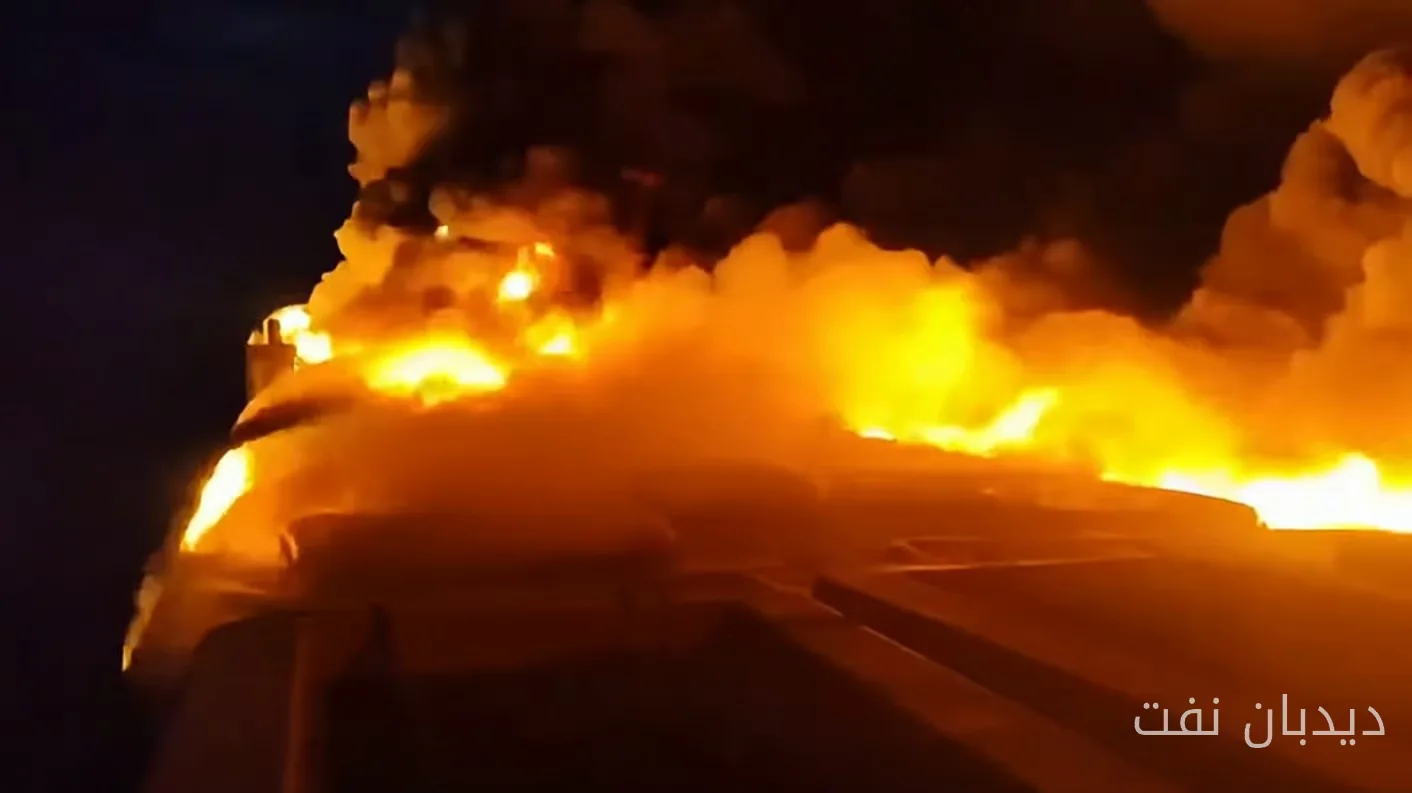
The compensation payment to patients suffering from "EB" (butterfly disease) from the sale of oil from a seized American oil tanker in the Persian Gulf has reached the implementation stage. This process has emerged following the efforts of the families of the patients and their supporting organizations to compensate for the damages caused by sanctions.
Details of Compensation Payment
According to available information, out of 771 patients who have collaborated with the EB House and delegated their power of attorney, the compensation amount has been deposited into the foreign currency accounts of 632 individuals. These individuals have been informed about the status of the compensation deposit via SMS. The compensation amount has been set at 2 billion tomans per patient, and these payments are made under the order of the judicial authority and from the proceeds of the oil tanker sale.
Status of Other Cases
Reviewing the status of other cases shows that 48 cases are still in the documentation completion stage due to deficiencies in their documents. The families of these patients have been repeatedly asked to complete the necessary documents to expedite the processing. Additionally, the case of 91 deceased EB patients is awaiting resolution from the judicial authority, and the continuation of compensation payments for this group depends on the decisions of the relevant authorities.
Furthermore, about 350 other patients who were not included in the initial list are still pursuing legal actions. The EB House has announced that the process of reviewing the status of these individuals will continue and will be pursued through legal channels. These actions are aimed at compensating for the damages caused by sanctions and the limitations on access to necessary treatments for butterfly disease patients.
Background of Sanctions and Their Impact on Patients
Since the unilateral withdrawal of the United States from the JCPOA in 2018 and the imposition of sanctions, securing specialized dressings for EB patients has faced serious challenges. Due to the rarity of their condition, these patients often encounter high treatment and care costs. Over the past years, the families of the patients have raised objections regarding the impacts of sanctions on meeting their medical needs and the necessary equipment. Now, with the commencement of the compensation payment phase, some of the registered cases have reached the payment stage, and the fate of the remaining cases depends on the completion of documents or decisions from judicial authorities.
Ultimately, the compensation payment process to EB patients reflects legal efforts to compensate for the damages inflicted on this vulnerable group. Given the current circumstances, continuing the follow-ups to complete the documents and resolve the remaining cases seems essential.