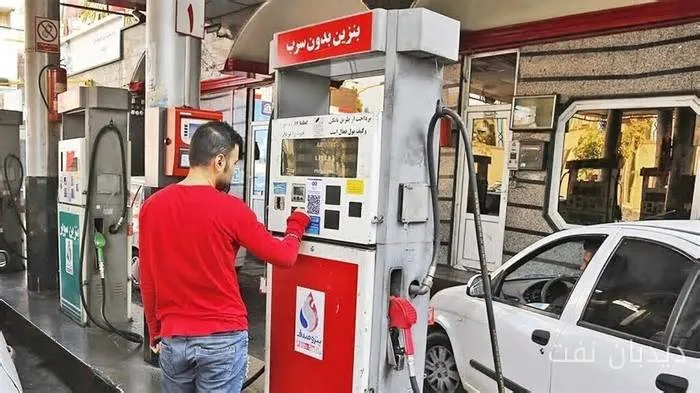
In today's world, where technology is rapidly advancing, smart fuel systems are proposed as a solution for managing subsidies and preventing abuses. But can these systems alone solve all the problems? A member of the Supreme Council of the Association of Certified Accountants emphasizes that the fuel issue goes beyond shortages and underpricing, requiring a more comprehensive approach.
Challenges of Monitoring and Control
This council member stresses that there is a need for an integrated and efficient system for maintaining and monitoring subsidies. According to him, there are currently many weaknesses in the existing systems that prevent proper control over subsidies and fuel distribution. In fact, although smart systems can provide accurate information on fuel consumption, without strong oversight and comprehensive regulations, this information alone will not be sufficient.
Economic and Social Impacts
The economic and social problems arising from inadequate monitoring of subsidies contribute to public dissatisfaction. Lack of transparency in subsidy distribution and inefficiencies in monitoring systems have become factors that lead people to lose trust in the economic system. This situation not only harms ordinary people but can also negatively impact the economy of the entire country.
Therefore, it seems that to improve conditions and increase the efficiency of subsidy systems, a serious reconsideration of existing structures is necessary. Only by adopting a comprehensive approach and utilizing modern technologies can we overcome current challenges and achieve a sustainable and fair system.