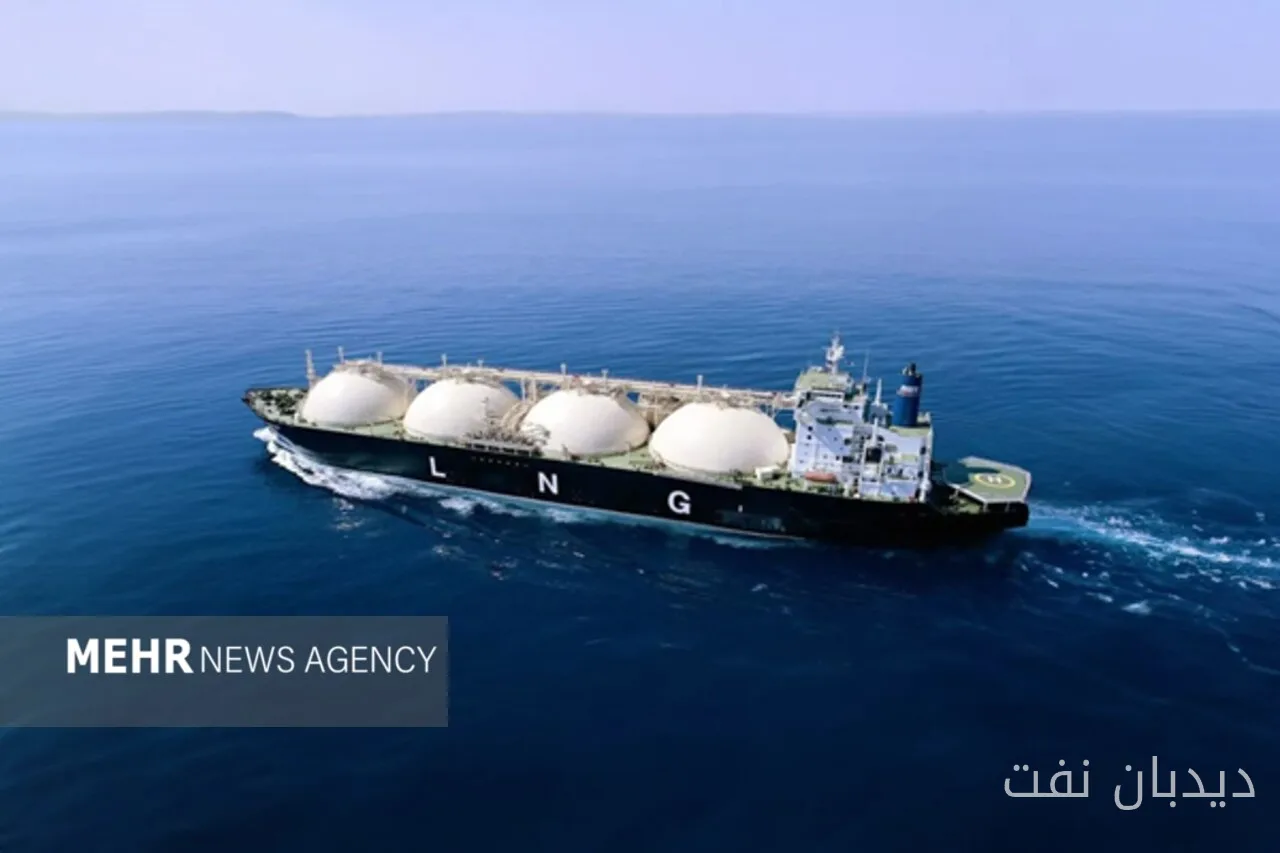
The spot price of liquefied natural gas (LNG) in the Asian market reached approximately $30.4 per million British thermal units (MMBtu) on October 23, 2023. This significant price increase occurred due to growing concerns about supply security and disruptions in energy transportation routes.
Reasons for the Increase in LNG Prices
This price increase happened amid concerns regarding maritime transport security and the potential for further disruptions in global gas supply. One of the main causes of these concerns has been a reported attack on an LNG carrier near Yemen, which has significantly heightened market worries about the security of maritime energy transportation routes.
Read more: Crude Oil Price Rises to $109 and Europe's Concerns in Winter
Any disruption in transportation or reduction in supply could make it more difficult for buyers to access LNG shipments, consequently driving up prices. On the other hand, disruptions in Qatari gas exports and restrictions due to the war and traffic in the Strait of Hormuz have added additional pressure to the global LNG market.
Competition Between Asian and European Buyers
As winter approaches in the Northern Hemisphere, concerns about gas supply have increased, and European countries, especially during the cold months, require more gas for heating and industrial needs. If supply decreases or demand increases in Asia, this situation could intensify competition between the two regions for available shipments.
The state of Europe's gas reserves is also a significant factor affecting market sensitivity. According to available statistics, the level of gas reserves in Europe is about 75% of capacity, which is lower than the five-year average of approximately 89% for this time of year. This decrease in reserves reduces Europe's margin of safety against winter cold or potential supply disruptions.
Thus, the increase in Asia's spot LNG price indicates that geopolitical concerns, maritime route security, the export status of major producers, and the level of European reserves are simultaneously impacting the gas market. The continuation of these conditions could increase the cost of gas supply for buyers, but the future price trajectory will depend on the actual level of supply disruption, the intensity of winter demand, and the possibility of substituting shipments.
Read more: Infrastructure Deficiencies and Energy Waste: Factors of Iran's Gas Imbalance · U.S. Strategic Oil Reserves Under Pressure from Gulf Crisis