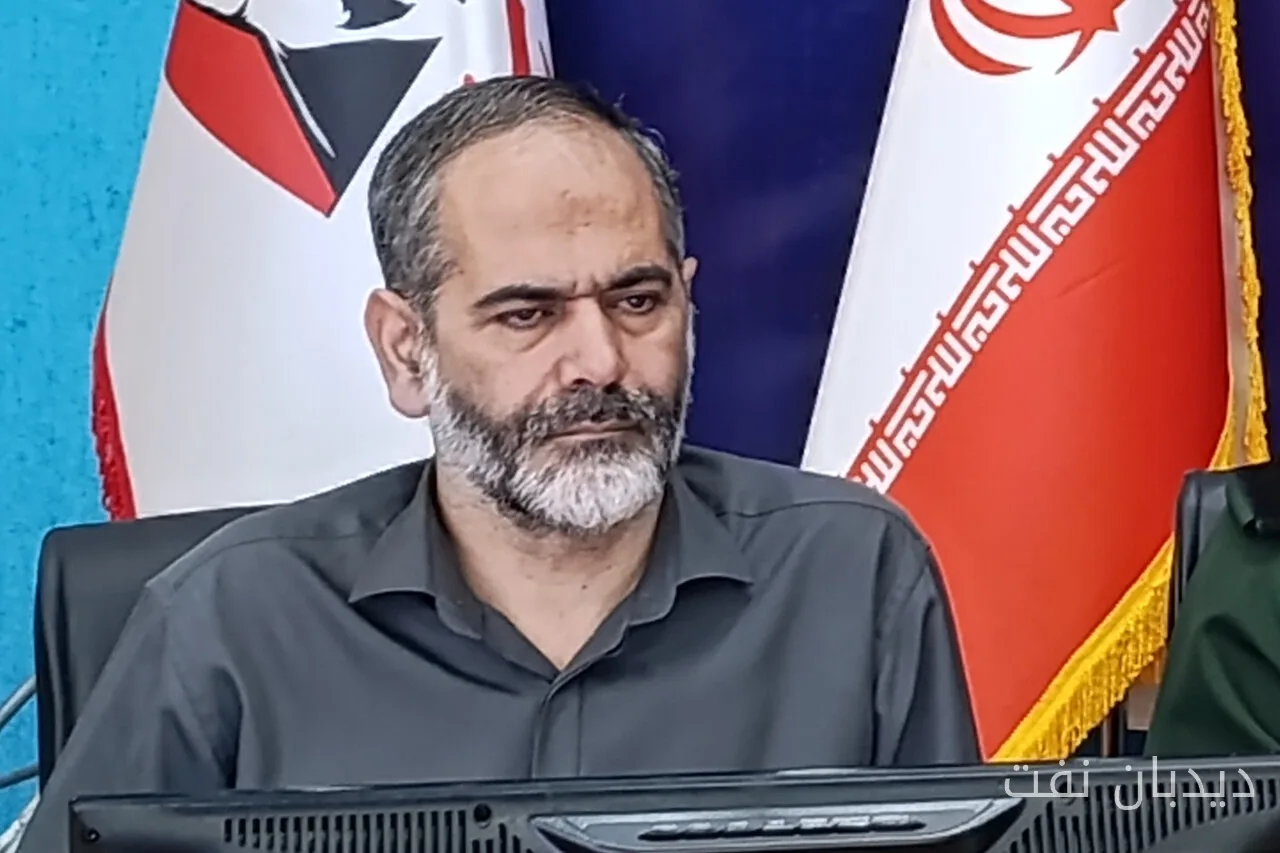
Alireza Abbasi, the representative of the people of Karaj, Fardis, and Eshtehard in the Islamic Consultative Assembly, addressed the issue of energy imbalance in the country during a meeting of the Administrative Council of Alborz Province. He emphasized the need to manage this imbalance, stating that today’s problems stem from decisions and actions that were not properly executed in the 1990s.
The Necessity of Managing Water and Energy Resources
In this meeting, Abbasi pointed out the seventh development plan and reminded the executive agencies that a portion of the water resources currently out of the consumption cycle must be returned to this cycle. He stated that the country receives about 400 billion cubic meters of rainfall annually, a significant portion of which is not utilized due to evaporation and outflow from the country.
Read more: Increase in Hidden Gas Subsidy in Iran to $672 Billion
He added: "In the seventh development plan, the ministries of Interior, Energy, and Agricultural Jihad are obligated to return 15 percent of this 300 billion cubic meters to the consumption cycle by the end of the plan, which is equivalent to 45 billion cubic meters." Abbasi emphasized that if the country is facing a water shortage, existing capacities must be utilized to compensate for this deficiency.
The 'User' Plan and Gas Consumption Savings
The representative of Karaj, in another part of his speech, referred to the 'User' plan and the fuel savings certificate, stating: "This plan can be effective in managing energy imbalance." He explained that during peak winter consumption, about 79 million cubic meters of gas are used daily for heating residential homes, and by reforming the consumption of heaters, savings of up to 50 million cubic meters per day can be achieved.
Abbasi stated: "If the fuel savings certificate is allocated to households or companies and this plan is pursued seriously, part of the problems arising from gas imbalance in winter can be managed." He also pointed to the potential for heavy rainfall to become a threat, saying that weather phenomena can present opportunities for the country, but without proper planning, they can become threatening.
In conclusion, Abbasi criticized the negligence of some municipalities regarding urban watershed management and the need for managing surface runoff, emphasizing that all responsible agencies must seriously fulfill their duties in this area to prevent potential problems and damages.
Read more: Ahmad Midari Addressed the Situation of Injured Workers at Abadan Refinery · Liquid Fuel Storage of Power Plants Announced by the Minister of Oil



