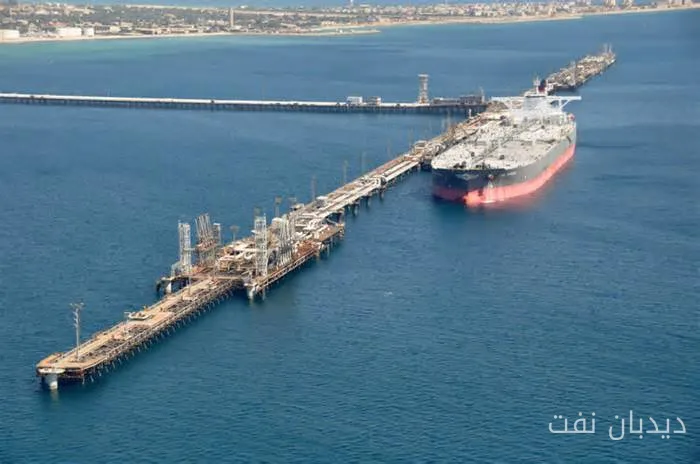
Following a recent agreement signed between Islamabad and Tehran, approximately 80 million barrels of oil have been allocated to four trusts. This news has drawn significant attention, and it seems that behind this large transfer, there are hidden stories that have yet to be clarified.
Ambiguity in Transfer Details
The question that many are grappling with is why this amount of oil has been entrusted to four trusts and what the rationale is for choosing these entities? Could there be specific interests behind this decision? Some analysts believe that this event may benefit certain groups while the country's macroeconomy is in a critical state.
Important and Unanswered Questions
In this context, four key questions arise that still lack answers: 1) What is the relationship of these trusts with the government and economic institutions? 2) Does this transfer mean the privatization of Iran's oil, or is it merely a temporary agreement to solve liquidity issues? 3) What guarantees are there that this oil will be used properly and for the benefit of the Iranian people? And 4) What will be the consequences of this agreement for the future of Iran's oil industry?
It seems that this matter requires deeper investigation. While the country faces sanctions and economic challenges, such decisions could have irreparable consequences. Do regulatory bodies have the necessary capacity to oversee this process? Or will personal interests once again prevail over public interests?


