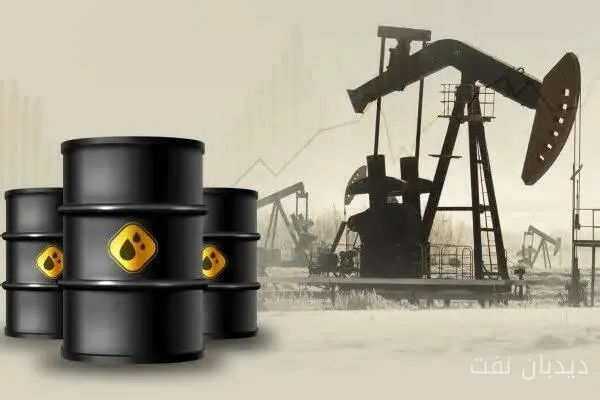
As the world seeks to secure energy, crude oil exports from the Middle East have encountered a notable decline. According to a recent report by a tanker tracking company, the volume of exports from this region in August has alarmingly decreased, which could have serious consequences for the economies of oil-exporting countries.
Significant Decline and Its Consequences
The 39% decrease in crude oil exports from the Middle East occurs at a time when this region is recognized as one of the most important energy suppliers in the world. This drop in exports may be due to factors such as fluctuations in global oil prices, sanctions, and changes in global demand. Especially as oil-consuming countries are exploring more sustainable energy sources, this decrease in exports could be a warning sign for the economic future of Middle Eastern countries.
Uncertain Future
Given this decline, the future of the oil industry in the Middle East will be significantly affected. Economic analysts believe that the continuation of this trend could lead to economic crises in oil-rich countries. On the other hand, this decrease in exports may lead to increased tensions in the global oil market and ultimately affect global prices.
The main question now is whether Middle Eastern countries will be able to confront these challenges and how they can rebuild and strengthen their oil exports. In these circumstances, the need for new strategies and international cooperation is felt more than ever.